Home Security Plans: Understanding Your Options and What They Cover 🔒
Home security plans are structured service packages designed to protect your property through a combination of equipment, monitoring, and response services. Whether you're considering a plan for the first time or evaluating options, understanding how they work—and which factors matter most to your situation—helps you make an informed choice.
What Home Security Plans Actually Are
A home security plan typically bundles three components: hardware (sensors, cameras, keypads), professional monitoring (24/7 response to alerts), and mobile access (apps to arm/disarm and view activity). Some plans focus heavily on one element; others offer flexibility to customize.
The core distinction is between self-monitored systems (you respond to alerts via app or notification) and professionally monitored plans (a monitoring center receives alerts and can contact authorities on your behalf). This difference shapes cost, response time, and what happens when you're unavailable.
Key Variables That Shape Your Plan Choice 🏠
Property size and layout affect equipment needs. A small apartment may require fewer sensors than a multi-story home with multiple entry points.
Your availability influences whether professional monitoring makes sense. If you're frequently away or sleep deeply, 24/7 monitoring by a service center offers a safety net that self-monitoring doesn't. If you're home most of the time and responsive to alerts, self-monitored systems may meet your needs.
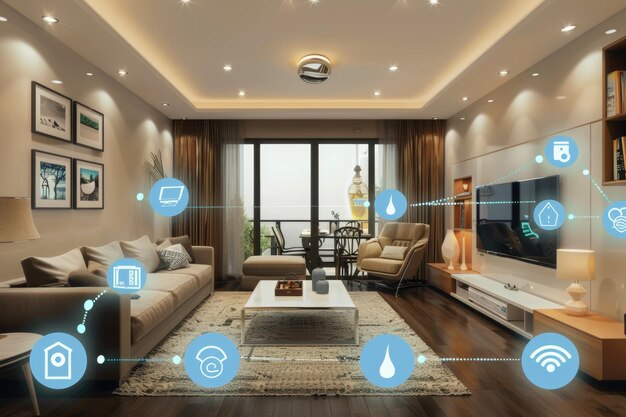
Integration preferences matter increasingly. Some people want their security system to work with existing smart home devices (lights, locks, thermostats); others prefer a standalone system. Compatibility varies widely by provider and plan.
Insurance and liability sometimes play a role. Some insurers offer discounts for homes with professionally monitored systems, though discount amounts and eligibility vary. Check your specific policy.
Budget constraints shape what's realistic. Plans range from basic entry-level packages to comprehensive systems with advanced features, and ongoing monitoring costs vary.
Types of Plans: The Main Models
| Plan Type | How It Works | Best For |
|---|---|---|
| Professional Monitoring | Signals sent to monitoring center; operators contact you and authorities | Those wanting 24/7 response regardless of availability |
| Self-Monitored | You receive alerts and manage response via app | Those home frequently and comfortable being the first responder |
| Hybrid | Mix of self-monitoring plus optional professional add-ons | Those wanting flexibility to scale up monitoring later |
| Video-Focused | Emphasis on cameras with cloud storage and app review | Those prioritizing visibility and recorded evidence |
| Smart Home Integration | Security tied into broader home automation ecosystem | Those already investing in connected devices |
What Costs Actually Cover
Equipment costs may be one-time purchases, monthly rental fees, or a combination. Some plans include hardware at no upfront cost but spread the expense across monitoring fees; others charge upfront for ownership.
Monitoring fees typically run monthly and cover the service center's 24/7 availability. These fees are where the ongoing cost difference between self-monitored and professionally monitored plans becomes clear.
Installation and setup may be included, outsourced to contractors, or handled by you (DIY options). Professional installation typically costs more but ensures proper configuration.
Additional services—like video cloud storage, extended battery backup, or premium app features—often cost extra.
Common Questions About Coverage and Reliability
Will a home security plan prevent crime? Not directly. A visible system may deter opportunistic crime, and professional monitoring can speed police response, but no plan eliminates risk. The value is detection, evidence, and faster assistance—not prevention.
What happens during internet outages? This varies. Professional monitoring typically uses cellular backup, so it continues working. Self-monitored systems and app-based features may not function without internet. Ask providers specifically how they handle connectivity loss.
Are wireless and wired systems different in practice? Wireless systems are easier to install and relocate; wired systems are typically more reliable for professional monitoring. Both can work well; the trade-off is convenience versus robustness.
What should I evaluate before choosing?
- Entry points and property layout (how many sensors you'll need)
- Your typical presence at home or away patterns
- Whether professional monitoring aligns with your comfort level and budget
- Integration with devices you already own or plan to buy
- Contract terms, cancellation policies, and what happens if you move
- Whether your insurance offers discounts and what they require
The right plan depends entirely on your property, lifestyle, budget, and what level of automation and professional response matters to you. Understanding these variables helps you ask the right questions when comparing options.