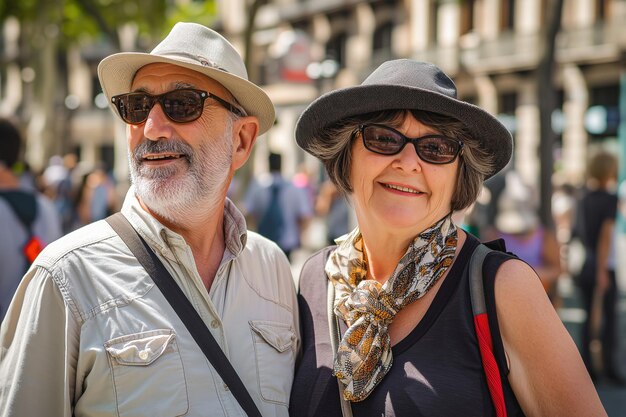
Vatican Tours: What Seniors Need to Know Before Planning a Visit
Vatican City is one of the world's most visited pilgrimage and cultural destinations, and it's entirely possible for seniors to experience it meaningfully. But getting there, navigating the sites, and managing the practicalities requires honest planning. Here's what actually matters when you're considering a Vatican visit.
Physical Demands Are Real—Plan Accordingly
The Vatican isn't inherently inaccessible to older adults, but it demands honesty about mobility and stamina. St. Peter's Basilica involves walking on marble floors, climbing stairs (though elevators exist), and standing for extended periods. The Vatican Museums and Sistine Chapel require 2–4 hours of continuous walking through corridors and galleries, often in crowds.
Factors that shape your experience include:
- Your mobility level — Can you walk comfortably for an hour without rest? How do you manage stairs?
- Crowd tolerance — Peak seasons (April–October, Christmas, Easter) mean dense crowds and longer waits.
- Heat sensitivity — Summer temperatures in Rome exceed 85°F, and the Vatican is unshaded in many areas.
- Cognitive stamina — Processing visual information in crowded, stimulating environments is tiring at any age.
Seniors with limited mobility, chronic pain, or balance concerns may find the experience exhausting rather than enjoyable. Those with good baseline fitness and realistic pacing expectations often have positive visits.
Tour Options Shape What You Experience 🎫
You have meaningful choices here, and they're not interchangeable:
| Option | What You Get | Best For | Trade-offs |
|---|---|---|---|
| Self-guided (ticket only) | Maximum flexibility, no narration | Independent travelers, those comfortable with crowds | Long waits, unclear logistics, easy to miss context |
| Small-group tours | Expert guidance, manageable groups (12–25 people), set pace | Most seniors, those wanting historical context | Less flexibility, higher cost than solo tickets |
| Private guides | Personalized route, rest breaks on your schedule, detailed expertise | Those needing mobility accommodations or preferring intimacy | Significantly higher cost |
| Escorted group tours | All logistics handled, travel companions, structured itinerary | Seniors preferring not to navigate Rome independently | Largest groups, least flexibility, depends on tour company |
Accessibility matters here. Small-group and private tours often have better disability accommodations than self-guided entry. Ask directly before booking—"accessible" means different things to different operators.
Practical Logistics Seniors Shouldn't Skip
Booking and entry: Advance tickets (booked online weeks ahead) skip most queues. Walk-ups can mean 1–3 hour waits, especially in summer. Many seniors find this alone worth the small booking fee.
Getting there: Vatican City is in northwest Rome, reachable by metro, bus, or taxi. Taxis are simpler if mobility is limited, though more expensive. Metro involves stairs; elevators exist but aren't always obvious.
Timing: Early morning (8–9 a.m.) means smaller crowds and cooler temperatures. Visiting in shoulder seasons (April–May, September–October) balances weather and crowds better than summer.
Dress code: St. Peter's requires covered shoulders and knees; women cannot wear hats in certain areas. Comfortable, supportive shoes are essential—this is not the place to break in new footwear.
Rest and facilities: Bathrooms exist but aren't plentiful, and lines can be long. Bring water, snacks, and identify rest spots before you're exhausted. Some tours include seating; solo visits don't guarantee places to sit.
Medical and Health Considerations
If you take regular medications, need bathroom access frequently, use mobility devices, or have cardiac or respiratory conditions, inform your tour operator or plan specific route adjustments. Altitude and heat strain hearts differently. Crowded spaces trigger different responses in different people—think honestly about yours.
What You're Actually Deciding
Visiting the Vatican as a senior isn't a yes-or-no question. It's really: Given my current fitness, mobility, crowd tolerance, interests, and time availability, which specific Vatican experience—if any—would be worth the effort and cost?
Some seniors find a guided tour of St. Peter's Basilica alone (skipping the Museums) perfectly satisfying. Others prefer the Museums without climbing to the Dome. Still others decide their time and energy are better spent elsewhere in Rome or Italy.
None of these are wrong. The right choice depends entirely on your honest assessment of what you can physically manage and what would genuinely enrich your trip.