What You Need to Know About Tire Pressure Sensors
Tire pressure sensors have become standard safety equipment on modern vehicles. If you've noticed warning lights on your dashboard or wonder what these devices do, this guide will walk you through how they work, why they matter, and what affects how well they perform. 🚗
How Tire Pressure Sensors Work
Your vehicle's tire pressure monitoring system (TPMS) uses sensors mounted inside each tire—or sometimes on the valve stem—to track air pressure in real time. When pressure drops below a target threshold, the sensor sends a wireless signal to your vehicle's computer, which triggers a warning light on your dashboard.
The system serves a straightforward purpose: catching slow leaks and pressure loss before you notice a problem while driving. Underinflated tires wear faster, reduce fuel efficiency, and can overheat under load, increasing the risk of a blowout.
Two Types of Tire Pressure Sensors
Modern vehicles use one of two approaches:
Direct TPMS uses individual pressure sensors in each tire that measure actual air pressure and transmit readings to the vehicle's computer. These sensors typically run on small batteries that last 5–10 years, depending on driving conditions and the specific sensor design.
Indirect TPMS doesn't use dedicated sensors. Instead, it monitors wheel speed data from your vehicle's anti-lock brake system. If one wheel rotates slightly faster than others (a sign of lower pressure), the system alerts you. This approach doesn't pinpoint which tire is low—just that something has changed.
Direct systems are more accurate and tell you exactly which tire needs attention. Indirect systems cost less to maintain but require more interpretation on your part.
When Sensors Need Attention
Tire pressure sensor issues fall into a few categories:
Battery depletion is the most common reason sensors fail. When a sensor's battery dies, it stops transmitting, and your warning light stays on. Replacement is usually necessary—repairs aren't practical.
Sensor damage can occur during tire changes if technicians aren't careful, or from road hazards. A cracked or corroded sensor won't function reliably.
Valve stem problems can cause slow leaks that trigger warnings even though the sensor itself is fine. A worn valve stem allows air to escape gradually.
Cold weather causes temporary pressure drops because air contracts in lower temperatures. This often triggers warnings on winter mornings and clears as tires warm up—not a sensor failure, but normal physics.
What Factors Influence Your Experience
Your situation depends on several variables:
| Factor | Impact |
|---|---|
| Sensor type | Direct sensors are more informative; indirect saves on maintenance costs |
| Vehicle age | Older sensors are more likely to have depleted batteries |
| Driving climate | Cold regions see more false alarms; consistent temperatures reduce them |
| Maintenance habits | Regular tire checks catch problems before warnings appear |
| Tire replacement frequency | Sensors often need replacement when you replace tires |
What to Do When the Warning Light Comes On
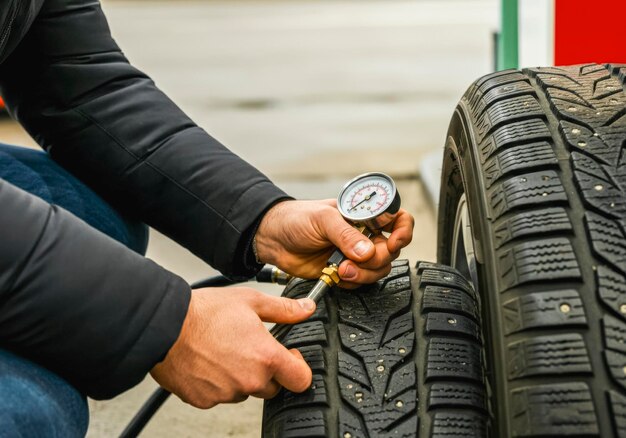
Start with the simplest step: check your tire pressures manually using a reliable gauge. You'll find the correct pressure on a sticker inside your driver's door or in your owner's manual—not on the tire itself, which lists maximum pressure.
If pressures are normal, the sensor may be failing or the valve stem may need attention. If one or more tires are low, inflate them and monitor whether the light clears. Some vehicles automatically reset the system once pressures normalize.
Keep in mind that a warning light doesn't always mean a sensor problem. Before assuming sensors need replacement, rule out simple deflation first—it's far more common.
Variables That Shape Your Decision Path
Whether you'll need to replace sensors depends on factors like your vehicle's age, how often you rotate or replace tires, whether you live in a climate with extreme temperature swings, and whether your vehicle uses direct or indirect monitoring. Some drivers never replace a sensor; others face replacements multiple times over vehicle ownership.
A certified technician can diagnose whether the issue is the sensor, valve stem, or just a pressure correction. What works for one person's vehicle may not apply to another's situation.