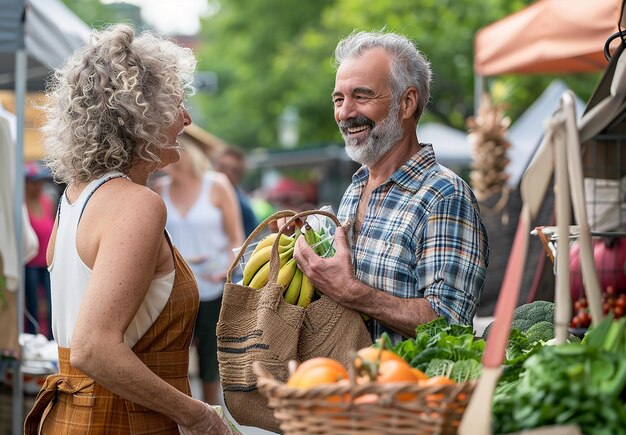
How to Find and Maximize Deals at Farmers Markets 🛒
Farmers markets offer fresh produce, local goods, and community connection—but price isn't always obvious. If you're shopping on a fixed or careful budget, knowing how to spot real value takes a little strategy.
What Makes a Farmers Market Deal
A genuine deal at a farmers market isn't always the lowest price. It's about value relative to quality, freshness, and what you'll actually use. A slightly higher price for produce that lasts longer in your fridge or tastes notably better may deliver more value than cheaper items that spoil quickly.
Farmers market pricing varies widely because vendors set their own prices based on:
- Supply and demand — abundance late in the season often means lower prices
- Vendor overhead — farmers with lower costs may price lower than others
- Produce type — specialty or unusual items cost more; common seasonal items cost less
- Market location — urban farmers markets typically have higher prices than rural ones
- Time of season — early-season or late-season items (when scarce) cost more than peak-season items
When Prices Drop 📉
Late in the market day (last hour or 30 minutes), some vendors lower prices to avoid taking unsold inventory home. This isn't guaranteed—not every vendor does it—but it's common enough to be worth planning for. However, selection shrinks as you wait, so there's a trade-off between price and choice.
Late in the season (late summer through fall for most regions), supply peaks. When tomatoes, zucchini, or apples are abundant, farmers often reduce prices to move volume. Early spring and late fall typically see higher prices due to scarcity.
How to Spot Real Value
Compare quality, not just price. Look at produce closely: firm skin, bright color, no soft spots, and good smell (for fragrant items). Cheaper produce that's already aging isn't a deal.
Ask questions about what's in season. Vendors know which items are most abundant—and therefore most affordably priced—that week. Asking what's at its peak often leads you to the best values.
Buy what's abundant, not what's rare. A $2 mango in spring isn't a deal; $1 per pound for in-season berries in summer is.
Consider bulk or seconds. Some vendors offer discounts if you buy a larger quantity or if you're willing to take items with minor cosmetic blemishes (slightly misshapen but perfectly good). Always ask.
Check for "pre-cut" deals. If a vendor has cut melon, prepared greens, or bundled herbs, they may price these lower than whole items—useful if you have limited prep ability or just want smaller quantities.
Where Budget Varies by Situation
Seniors on very limited fixed income may benefit most from shopping near closing time, buying in-season bulk items, or focusing on vendors offering "seconds." You're also balancing budget against physical demands like standing, carrying, or heavy lifting—which factors into real value for you.
Those with transportation challenges may find it harder to shop multiple vendors for comparison; proximity to home might matter more than absolute price.
Gardeners or those with food storage (freezer, canning supplies) can better capitalize on bulk deals during peak season; others may find smaller, frequent purchases more practical.
Dietary needs or preferences (organic, pesticide-free, heirloom varieties) may narrow your options and affect what you pay; local farmers markets can be an excellent source for these, but they typically cost more.
Key Variables to Evaluate for Your Situation
- How much time can you spend shopping and comparing vendors?
- Does your budget allow buying bulk when prices are lowest (and storing/preserving excess)?
- Which produce matters most to your diet or cooking?
- Do you have transportation to multiple vendors or markets?
- What's your physical capacity for carrying, standing, or prep work?
- Are you prioritizing lowest price, highest quality, organic/local status, or some combination?
Farmers markets reward shoppers who know their season, ask questions, and stay flexible about what they're willing to buy. The best deal is always the one that fits what you actually need and can use.