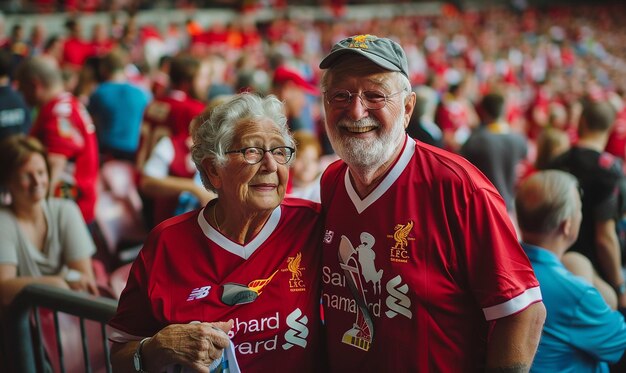
Stadium Seating Sections: A Guide for Seniors Planning Events 🎭
Stadium seating can feel overwhelming when you're shopping for tickets or attending an event—especially if you have mobility concerns or prefer certain sightlines. Understanding how sections work, what they offer, and how to find the right fit for your needs makes the experience much smoother.
What Stadium Sections Are and How They're Organized
Stadiums and arenas organize seating into numbered or named sections, which divide the venue into zones. Each section contains rows (labeled A, B, C, and so on) and individual seat numbers. This system helps venues manage capacity, pricing, and crowd flow—and it helps you find your exact location.
Sections are typically arranged in a circular or oval pattern around the field, court, or stage. Lower-numbered sections often run one direction; higher numbers continue around. The specific layout varies by venue, so it's worth checking a seating map before you buy.
Key Factors That Vary by Section
Different sections offer different experiences, and which matters most depends on what you value.
Sightline and View Quality
Sections directly behind home plate, center court, or center stage typically offer the best angle and closest views. Sections along the sidelines or baseline give you a different perspective—some people prefer this, others find it less ideal. Corner sections might have obstructed views or require turning your head more frequently.
Distance from the Action
Lower bowl sections (closer to the field or stage) sit nearer the action but may feel crowded or loud. Upper deck sections sit farther back, which some seniors find less tiring because there's less intensity and more personal space. Proximity matters if you want detail (like reading players' expressions) or if you prefer a broader view of the whole game or performance.
Accessibility and Convenience
Some sections are positioned closer to elevators, accessible parking, restrooms, or concessions. Others require more walking or stair navigation. If mobility is a factor, the venue's accessibility map is critical—not all sections are equally accessible.
Noise and Crowd Energy
Club-level and premium sections tend to attract quieter, less densely packed crowds. General admission sections can be loud and crowded. Standing-room-only sections require you to stand for the entire event.
Price
Premium sections (lower bowl, center, club level) cost more. Upper deck, corner, and obstructed-view seats cost less. Mid-level sections offer a middle ground.
Types of Sections You'll Encounter
| Section Type | Typical Features | What to Know |
|---|---|---|
| Lower Bowl | Close to action, full sightline, more expensive | More walking to reach; can feel crowded and intense |
| Upper Deck | Farther back, broader view, lower cost | More stairs; see the whole event; quieter atmosphere |
| Club Level | Premium amenities, food/beverage access, often quieter | Highest price; may require membership or season ticket |
| Corner Sections | Budget-friendly, less crowded | Angled sightline; may miss some action |
| Obstructed View | Lowest price | Pillars, railings, or overhangs block part of view |
| Accessible Sections | Wheelchair/mobility device space, nearby facilities | Must be reserved in advance; may have companion seating |
| Standing Room | Lowest cost, maximum flexibility | Requires standing entire event; no assigned seat |
How to Choose the Right Section for You
Start by asking yourself what matters most:
- Mobility: Can you comfortably walk to your section and navigate stairs? Do you need an elevator? Ask the venue about accessibility features for each section.
- Viewing preference: Do you want to see every detail, or would you prefer an overview? Do angle and obstruction matter?
- Comfort duration: Will you be sitting for two hours or more? Closer proximity might tire you faster; distance lets you relax.
- Sensory sensitivity: Is the crowd noise or intensity a concern? Upper deck sections tend to be quieter.
- Budget: What's your price range? This often narrows your options significantly.
Once you've identified your priorities, review the venue's seating map (usually available online). Many venues let you preview the view from specific sections using interactive tools or 360-degree cameras.
Practical Steps Before You Buy
Check the venue's accessibility guide. Most large stadiums and arenas post detailed information about elevators, accessible parking, restroom locations, and companion seating. This matters more than the section number itself.
Call the venue directly for questions. Don't assume—ask about walking distance, stair alternatives, or sight-line issues. Box office staff have real experience and can be honest about trade-offs.
Understand the refund or exchange policy. If you buy a ticket and later realize the section isn't suitable, can you exchange it? Know the terms before you commit.
Ask about companion seating. If you attend with a caregiver or family member, some accessible sections allow a companion to sit directly adjacent.
Senior-Specific Considerations 🚶
Venues increasingly recognize that seniors may prioritize different features than other guests. Some offer senior discount days, dedicated accessible seating, or companion entry programs. Call ahead and ask whether the venue offers senior pricing or special accommodations.
Arriving early also helps—you'll avoid crowds, have time to find your seat and restroom, and settle in without rushing.
The right section depends entirely on your mobility, preferences, budget, and what you want from the event. Use these factors to guide your decision, and don't hesitate to speak with the venue's accessibility or box office team—that's what they're there for.