What You Need to Know About Shark Vacuums: A Practical Guide
Shark is one of the larger vacuum manufacturers in the U.S. market, offering a range of models across different styles and price points. If you're considering a Shark vacuum—whether for everyday cleaning or specific needs like pet hair or hard floors—it helps to understand what types exist, how they differ, and what factors actually matter when making your choice. 🧹
Types of Shark Vacuums
Shark makes several distinct vacuum categories, each built for different cleaning situations:
Upright vacuums are traditional stand-up models with a motorized brush roll. They're designed to handle carpet effectively and typically offer good suction power for general household cleaning.
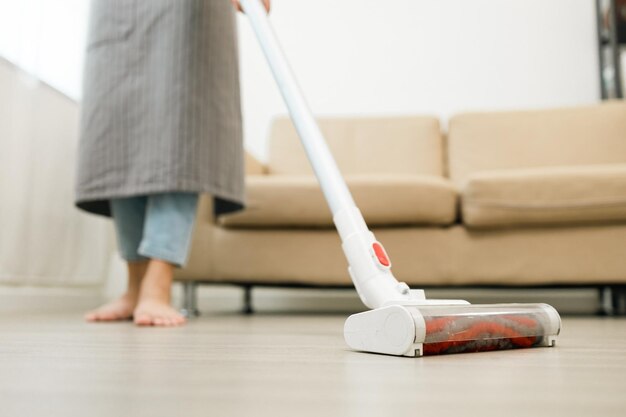
Stick vacuums (cordless and corded) are lightweight and portable, often with detachable handheld units. These appeal to people who want flexibility—cleaning stairs, furniture, and cars—without the weight of a full upright.
Robot vacuums are autonomous, floor-roaming models that operate on a schedule. They're designed for maintenance cleaning on hard floors and low-pile carpet, not as primary vacuums.
Handheld vacuums are compact and cordless, ideal for quick cleanups, car interiors, or spot cleaning.
Each type serves different purposes, so your living situation and cleaning priorities determine which makes sense to evaluate further.
Key Features That Vary Across Models
Not all Shark vacuums work the same way. Here's what typically differs:
| Feature | What It Affects |
|---|---|
| Suction power (measured in watts or air watts) | How well it picks up dust, debris, and pet hair on various surfaces |
| Brush roll type | Performance on carpet vs. hard floors; some models have switchable or lift-away designs |
| Filter type | Allergen capture and maintenance frequency |
| Cord length or battery life | How far you can reach without repositioning or recharging |
| Weight and handle design | Comfort during extended use, especially important for stairs and above-floor cleaning |
| Dust cup capacity | How often you need to empty it |
| Warranty coverage | What repairs or replacements the manufacturer covers, and for how long |
Comparing models side-by-side using these factors helps you narrow down which designs actually address your specific situation.
What Affects Your Real-World Experience
The vacuum you buy will perform differently depending on several variables:
Your home's layout and flooring. Homes with mostly hard floors, for example, may have different needs than multi-level homes with thick carpeting. Pets, high-traffic areas, and layout all influence how much cleaning power you actually use.
Maintenance habits. Vacuums require regular filter cleaning (or replacement), brush roll inspection, and occasionally debris removal. How much maintenance fits your lifestyle affects both performance and longevity.
Household composition. Homes with pets, children, or high foot traffic see different debris patterns than quieter environments.
Budget and longevity expectations. Entry-level Shark models cost less upfront but may have shorter expected lifespans or limited warranty periods than premium versions. Mid-range and higher-end models sometimes offer features or durability that make sense only in certain situations.
How to Evaluate a Shark Vacuum for Your Needs
Start by defining what matters most: Do you have pets? That narrows focus to models specifically marketed for pet hair. Is allergies a concern? Filter quality becomes important. Do you have multiple floor types? You'll want a model with brush roll flexibility or dual capabilities.
Next, research how each model you're considering addresses those priorities. Read user reviews—not for overall ratings, but for specific feedback about the issues that matter to you. Someone's frustration with weight might be irrelevant to you, while another reviewer's praise for pet hair pickup might be exactly what you need to hear.
Consider warranty terms and parts availability. Some models have better support networks or easier repairs than others, which can matter years down the road.
Finally, think about where you'll purchase and whether that retailer's return policy aligns with your comfort level. Testing a vacuum in your own home during a return window often reveals fit that specs alone cannot.
The Landscape Matters; Your Situation Matters More
Shark vacuums are a legitimate option in a competitive market with genuine trade-offs between types and models. Understanding what features exist, how they differ, and which factors influence performance helps you make an informed choice. The right Shark model—or whether a Shark is right for you at all—depends on the specific details of your home, your cleaning needs, and your preferences. Use the framework above to evaluate which of those details matter most in your situation.