Seasonal Produce Buying Guide: How to Shop Smart Year-Round 🥬
Buying produce in season is one of the simplest ways to eat better food at a lower cost. But knowing what counts as "in season" in your area, and how to use that knowledge when you shop, requires understanding a few practical principles.
What "In Season" Really Means
Seasonal produce is fruit and vegetables harvested during their natural growing period in a given region. When crops are in season, they're abundant, require less energy to grow and transport, and typically cost less at the store. They also tend to taste better and last longer after you bring them home—because they haven't been sitting in cold storage for months.
The opposite is out-of-season produce, which is either grown in distant regions and shipped long distances, or stored from a previous harvest. These items cost more and lose flavor and nutrients over time.
Why Seasonality Matters
The variables that shape your savings and eating experience include:
- Your region – What's in season in California in January differs from what's available in the Midwest or Northeast
- Your storage space and cooking habits – Seasonal shopping often means buying larger quantities, which requires adequate refrigerator space or willingness to preserve or cook items
- Price volatility – Seasonal prices fluctuate based on supply; peak season offers the lowest prices, while shoulder months are higher
- Produce quality – In-season items typically have better flavor, firmness, and nutrient density than their out-of-season counterparts
How to Know What's Seasonal Where You Live
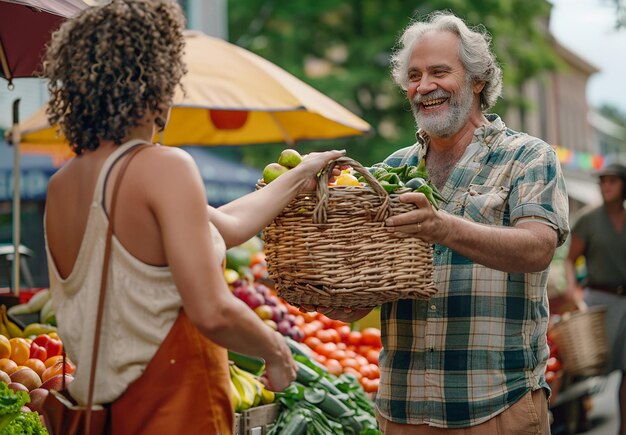
Check local farmers markets. The most reliable indicator of what's in season is what farmers are actually selling. If it's front-and-center at a farmers market, it's in season locally.
Ask your grocer. Many produce departments now label seasonal items. Staff can also tell you where produce is coming from—local or regional sourcing is a sign of seasonality.
Use online seasonal guides. Several free resources let you enter your zip code and see what's currently in season in your area. These are updated throughout the year and account for regional growing periods.
Learn your region's harvest calendar. Most areas have predictable seasons for key crops. Spring typically brings leafy greens and early vegetables; summer offers berries, stone fruits, and tomatoes; fall brings squashes, apples, and root vegetables; winter features citrus, hardy greens, and stored crops like potatoes.
Building a Practical Shopping Strategy 🛒
Plan meals around what's in season rather than the reverse. If peaches are abundant and affordable in July, buy them and plan recipes around them. This approach naturally saves money and reduces food waste.
Buy peak-season items in larger quantities if you have the storage space. In-season berries, tomatoes, and stone fruits can be frozen, canned, or made into preserves when they're cheapest—extending their value through months when they're out of season.
Understand the shoulder season. Produce at the beginning or end of its season costs more than peak-season items but less than fully out-of-season produce. If your budget is tight, waiting for peak season is worthwhile; if you want certain vegetables earlier or later, shoulder season is a reasonable middle ground.
Shop stores with strong produce sections. Larger markets, farmers markets, and stores serving communities with diverse culinary traditions typically rotate seasonal items more actively and often price them more competitively.
Storage and Quality Considerations
Seasonal produce generally keeps longer because it's fresher when you buy it. However, storage needs vary by item:
- Delicate items (berries, stone fruits) should be used within days
- Hardy vegetables (root vegetables, winter squash, cruciferous vegetables) last weeks to months in proper conditions
- Leafy greens last longest when stored properly in the coldest part of your refrigerator
What Matters for Your Situation
The right seasonal buying strategy depends on:
- Whether you cook at home regularly or rely more on prepared foods
- How much storage space you have available
- Your budget priorities—whether saving money on groceries is a primary goal
- Your willingness or ability to preserve food for later use
- What produce you actually enjoy eating and cooking with
- Whether you have access to reliable farmers markets or well-stocked grocery stores in your area
Seasonal eating isn't all-or-nothing. Even shifting part of your produce purchases to in-season items can reduce your grocery costs and improve the quality of what you eat. The key is understanding your local growing calendar and letting abundance guide your meals rather than fighting against it.