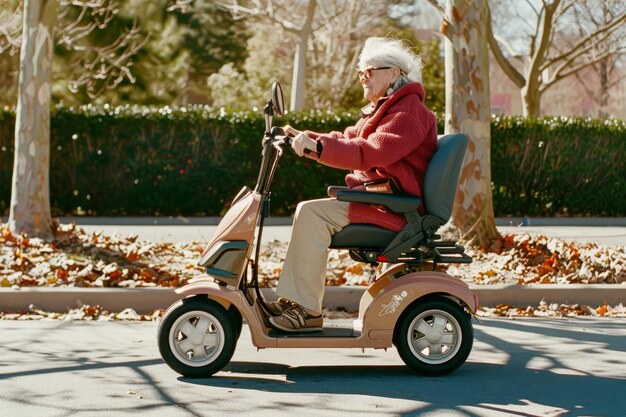
How Much Do Scooters Cost? A Guide to Pricing for Seniors
Whether you're considering a mobility scooter to stay independent or help a loved one get around, understanding scooter pricing is essential. The cost varies dramatically based on the type of scooter, features, and your specific needs. Here's what you need to know to navigate the market clearly.
Types of Scooters and Their Price Ranges 🛴
Mobility scooters fall into three main categories, and each has a different price profile:
Travel (Portable) Scooters are lightweight, fold or disassemble for transport, and typically cost less upfront. These are designed for occasional outings and fit in car trunks.
Mid-Size Scooters offer more stability and comfort for regular use. They're heavier than travel models but still portable with effort. This is the middle ground in both features and cost.
Full-Size Scooters are built for daily, extended use. They offer maximum comfort, stability, and battery range but require dedicated storage and transportation (like a vehicle lift).
The price gap between categories can be significant—sometimes double or triple—because you're paying for durability, range, and comfort features that accumulate with size.
What Actually Drives the Cost
Several factors influence what you'll pay:
Motor power and battery capacity determine how far a scooter travels on a charge and how quickly it accelerates. Longer range and faster speeds cost more.
Build quality and materials affect durability. A scooter built to last years of daily use costs more than one designed for occasional trips.
Comfort features—padded seats, armrests, suspension, and adjustable tillers—add to the price but matter significantly for people with arthritis, back pain, or long rides.
Size and weight capacity influence manufacturing costs. Scooters rated for heavier users or designed for outdoor terrain cost more.
New versus used or refurbished makes a major difference. Used scooters may cost substantially less but come with unknown maintenance history and shorter remaining battery life.
Payment and Acquisition Options
Out-of-pocket purchase means you pay the full price upfront. This gives you complete choice but requires capital.
Insurance coverage (Medicare, Medicaid, or private insurance) may cover part or all of a scooter if prescribed by a doctor and deemed medically necessary. Coverage rules and amounts vary significantly by plan and state. You'll typically need documentation of medical need.
Rental or lease programs exist in some areas and can be practical if you need a scooter short-term or want to try before buying.
Financing options through retailers or third-party lenders may be available, though interest costs add to the total you'll pay.
Key Variables That Apply to Your Situation
Before comparing prices, clarify what matters for your circumstances:
- How often will the scooter be used—daily, weekly, or occasional outings?
- Distance: Are trips short (around the house or block) or longer (shopping, errands)?
- Terrain: Will you use it mostly indoors, on smooth pavement, or rougher surfaces?
- Storage and transport: Do you have space and a vehicle that can accommodate it?
- Your physical comfort needs: Do you have pain, fatigue, or balance issues that require specific features?
- Budget constraints: What can you spend without financial strain?
- Insurance eligibility: Does your plan cover mobility aids, and what documentation is required?
What You'll Need to Evaluate Yourself
The "right" scooter at the "right" price exists only when you understand your actual mobility needs, your space, and your budget. A top-of-the-line scooter isn't better if it sits unused because it's too heavy to transport. A bargain rental might make sense for a temporary need but poor value for years of daily use.
Talk with a mobility specialist who can observe how you move and what distances you actually travel. Ask about warranty, maintenance, and what happens to the battery over time. Get clear on insurance coverage before purchasing. And consider test-driving a few models—comfort matters, and it's personal. 💙