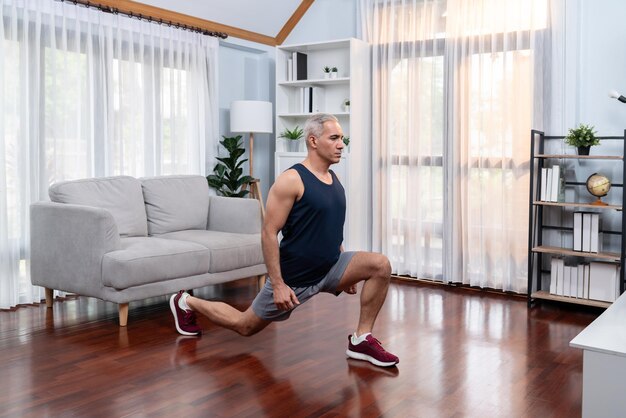
Home Workout Plans for Seniors: How to Stay Active Safely at Home
Staying physically active becomes more important—not less—as you age. Home workouts eliminate barriers like transportation, cost, and scheduling conflicts that often keep older adults from exercising. But a workout plan that works for a 65-year-old in good health looks different from one for someone managing arthritis or balance issues. Understanding what makes a senior-friendly home routine effective will help you build something you'll actually stick with.
Why Home Workouts Matter for Older Adults 💪
Physical activity in your later years supports:
- Strength and independence — maintaining the ability to stand from a chair, climb stairs, and carry groceries
- Balance and fall prevention — the most common cause of injury-related death among seniors
- Bone density — slowing age-related bone loss
- Cardiovascular and metabolic health — managing blood pressure, blood sugar, and weight
- Mental health and cognitive function — reducing depression and supporting brain health
- Joint mobility — using movement to maintain range of motion and flexibility
Home eliminates excuses and reduces injury risk from traveling to a gym. That matters.
What Makes a Senior-Appropriate Workout Plan Different
A responsible home workout plan for older adults typically includes three types of movement:
1. Strength or resistance training Building and maintaining muscle mass prevents age-related muscle loss (sarcopenia). This doesn't mean heavy weights—it means using resistance consistently. Bodyweight exercises, resistance bands, light dumbbells, or household items all count. Frequency matters: most guidelines suggest strength work 2–3 days per week with rest days between sessions.
2. Balance and stability work Falls are a leading injury risk for seniors. Balance exercises—like standing on one leg, heel-to-toe walking, or tai chi—build proprioception and stabilizer muscles. These often take just 10–15 minutes and can be woven into daily routines.
3. Cardiovascular or aerobic activity Walking, dancing, water aerobics, or cycling at moderate intensity improves heart health and endurance. Duration and intensity depend on current fitness level and any existing conditions.
Flexibility and mobility round out the picture—stretching and gentle movement support joint health and movement quality.
Variables That Shape Your Plan
The right home workout plan depends on factors only you and your doctor know:
- Current fitness level — whether you exercise now or are starting from a sedentary baseline
- Existing health conditions — arthritis, osteoporosis, heart disease, diabetes, or balance disorders all shape what's safe
- Medications — some affect heart rate response, balance, or energy
- Goals — staying functional, improving strength, recovering from injury, or training for a specific activity
- Living situation — available space, equipment, or family support
- Mobility and injury history — past surgeries, chronic pain, or movement limitations
Someone recovering from a hip replacement faces different constraints than someone with mild hypertension and no injury history.
How to Build or Choose a Plan
Start with your doctor. Before beginning any new exercise program, check with your primary care provider or a physical therapist—especially if you have chronic conditions, take medications affecting balance or heart rate, or haven't exercised regularly in years. A physical therapist can identify movement limitations or injury risks specific to you and suggest modifications.
Look for plans specifically labeled for older adults or seniors. These typically account for balance, joint stress, and recovery time. Plans designed for younger populations often progress too quickly or include high-impact movements that increase fall or injury risk.
Reputable sources include:
- Your healthcare provider or a physical therapist
- Organizations like the National Institute on Aging, American Heart Association, or American College of Sports Medicine (which have freely available guidance)
- Certified personal trainers with experience in senior fitness
- Senior centers or community programs (often free or low-cost)
Avoid plans that:
- Promise dramatic results in short timeframes
- Ignore your health history or limitations
- Rely on movements that feel unsafe or cause sharp pain
- Lack clear form guidance or modifications
What Progress Looks Like
Consistency trumps intensity. A 20-minute routine you do 4 days a week beats a grueling 90-minute session you do once and abandon. The body adapts to regular movement over weeks and months—improvements in strength, endurance, and balance come gradually.
Progression is individual. You might add one more repetition per week, increase resistance slightly, reduce rest between sets, or extend duration by a few minutes. Your own baseline is the only meaningful comparison.
Key Takeaway
Home workouts for seniors are practical and accessible—but the specifics depend on your health profile, fitness level, and goals. A plan that fits someone managing multiple conditions differs from one for an active older adult. Working with your healthcare provider or a qualified fitness professional helps ensure your plan is both safe and effective for your unique situation.