Essential Bike Gear for Seniors: What Actually Matters 🚴
Cycling can be one of the most enjoyable ways for older adults to stay active, but choosing the right gear makes the difference between a comfortable ride and one that leaves you sore, unsafe, or discouraged. Unlike recreational cyclists chasing performance, seniors typically prioritize comfort, stability, and visibility—and that shapes which gear decisions matter most.
The Core Gear Categories
The bicycle itself is the foundation. Road bikes, mountain bikes, hybrid bikes, and e-bikes all serve different purposes and riding environments. A lightweight road bike excels on pavement but feels twitchy for someone with balance concerns. A hybrid offers a more upright, stable position. An e-bike reduces the physical demand and makes hills manageable. Your choice depends on where you'll ride, your current fitness level, and whether you have joint or muscle concerns that limit pedal power.
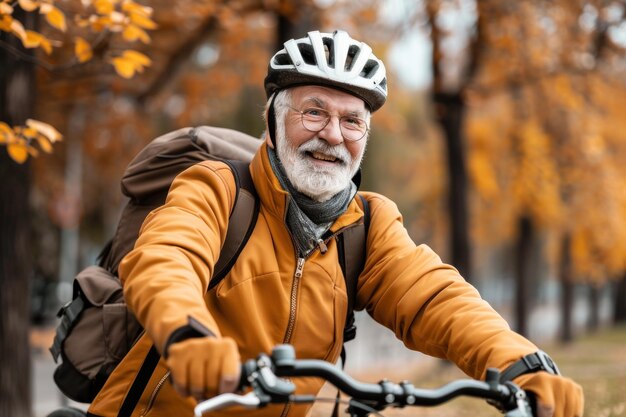
Safety gear keeps you visible and protected. A helmet is non-negotiable—head injuries can be severe regardless of age, and fit matters. Lights (front and rear), reflective clothing or vests, and mirrors expand your visibility to others and help you see the road surface. These aren't optional upgrades; they're the difference between a minor fall and a serious accident.
Comfort gear directly affects whether you'll actually ride. Padded shorts or seat cushions address saddle soreness. Gloves reduce hand numbness and provide grip in wet conditions. Proper footwear (not loose sandals) prevents slipping off pedals. A comfortable handlebar setup reduces wrist and shoulder strain.
Variables That Shape Your Gear Decisions
| Factor | How It Affects Gear Choices |
|---|---|
| Current fitness level | Affects whether you need an e-bike; influences bike weight and gearing options |
| Joint or muscle issues | May require suspension, electric assist, or an upright frame geometry |
| Where you ride | Flat pavement vs. hills vs. mixed terrain determines tire type, bike style, and weight distribution |
| Balance and mobility | Can influence frame design, handlebar type, and seat height adjustability |
| Riding frequency | Determines whether premium comfort gear justifies the investment |
| Weather exposure | Shapes choices about lights, reflective gear, and weather-resistant clothing |
The Distinction Between "Nice-to-Have" and "Essential"
A premium carbon-fiber frame, aerodynamic handlebars, or clip-in pedals improve performance for competitive cyclists but add complexity and cost without safety or comfort benefit for most seniors. Essential gear solves real problems: a helmet protects your head, lights make you visible, a well-fitted seat prevents pain, proper shoes keep your feet secure.
Mid-range bikes and gear—not the cheapest, not the premium option—typically offer the best balance of durability, comfort, and value. Budget models may use poor-quality seat padding or uncomfortable geometries that discourage regular riding. Top-tier gear optimizes for speed or weight rather than comfort and accessibility.
What To Evaluate Before Purchasing
Before buying, test-ride bikes if possible and spend time on the saddle. A seat that feels fine in a 10-minute shop ride may be uncomfortable after 30 minutes. Check that you can touch the ground with your toes while seated—this affects stability and confidence. Ensure the frame geometry puts your body in an upright position, not hunched over, which strains the neck and shoulders.
Ask yourself whether you have existing pain or limitations that the bike needs to accommodate. Knee pain, lower back issues, or poor circulation can all be worsened by poor bike fit or geometry. A professional bike fitting (available at many shops) can identify adjustments that make a substantial difference in comfort.
Consider visibility honestly. If you ride in low light, lights aren't optional. If balance is a concern, a lower step-through frame and wider-base kickstand matter more than weight savings.
The Role of Professional Fitting and Maintenance
Proper adjustment—saddle height, handlebar reach, brake and gear lever position—isn't a luxury. Misaligned components contribute to pain, inefficient pedaling, and increased injury risk. Many bike shops offer fitting services at modest cost. Regular maintenance (tire pressure, brake function, chain lubrication) prevents breakdowns and keeps the bike safe and smooth.
Your specific situation—your fitness level, any physical limitations, your local riding environment, and your budget—will determine which gear choices are worth prioritizing and which can wait. The goal is to invest in what makes riding safe, comfortable, and sustainable for you over time.