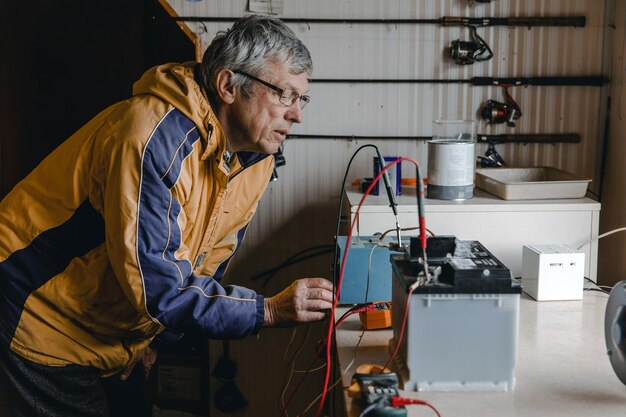
How to Store Batteries Safely and Keep Them Working Longer
Batteries power everything from hearing aids to remote controls, and how you store them matters more than most people realize. Poor storage can drain them faster, damage them, or create safety risks. Whether you're stockpiling spares or managing everyday devices, understanding a few key principles will help you get the most from your batteries and keep your home safer.
Why Battery Storage Matters
Temperature, humidity, and how batteries sit all affect their lifespan and performance. A battery left in a hot car will drain faster than one stored in a cool closet. A battery stored in a damp bathroom may corrode from the inside out. And a battery left in a device that won't be used for months can leak and damage the device itself.
The stakes are real but manageable—most storage mistakes are preventable with straightforward habits.
Core Storage Principles 🔋
Temperature Control
Batteries perform best in cool, dry environments. Ideal storage typically falls between 50°F and 80°F (roughly 10°C to 27°C). Extreme heat speeds up chemical reactions inside the battery, causing it to lose charge faster or fail prematurely. Extreme cold slows those reactions temporarily, which is why a cold battery may seem "dead" but work again once it warms up.
Avoid: Hot attics, cars in summer, windowsills in direct sunlight, kitchens near ovens, or basements prone to moisture.
Humidity and Moisture
Moisture corrodes the metal contacts and the battery's internal components. Over time, this corrosion prevents the battery from making a good electrical connection.
Keep batteries: In a dry place, preferably with low humidity. A sealed container or airtight bag helps, especially in damp climates.
Organization and Separation
Store batteries in a way that prevents the terminals from touching each other or metal objects. When the positive and negative terminals of two batteries touch (or when a battery touches metal), a short circuit can occur—draining power rapidly and potentially creating heat.
Best practice: Keep batteries in their original packaging when possible, or store them in a clear plastic organizer where each battery sits separately.
Different Battery Types Have Different Needs
| Battery Type | Storage Notes |
|---|---|
| Alkaline (AA, AAA, 9V) | Stable in cool, dry storage for years. No special prep needed before storage. |
| Rechargeable (NiMH, lithium-ion) | Perform best when charged to 30–50% before long-term storage. Fully draining or fully charging can reduce lifespan. |
| Hearing aid batteries | Zinc-air type; remove the sticker tab only when ready to use. Once activated, they drain steadily. Don't store with tab removed. |
| Button cell batteries | Small but potent; store isolated to prevent accidental contact with other batteries or metal objects. |
Practical Storage Setup 📦
For everyday spares:
- Keep a labeled container in a cool closet or drawer
- Use a battery organizer with separate slots
- Keep alkaline and rechargeable types separated
- Include a checklist of what you have and when you expect to use them
For long-term backup supplies:
- Store in airtight containers (plastic bags or sealed boxes)
- Add a desiccant packet (the silica gel packets from medicine bottles or new electronics) to absorb moisture
- Keep in a cool basement corner or interior closet, away from temperature swings
- Avoid cardboard, which absorbs moisture
For devices you won't use soon:
- Remove batteries before storage if you won't use the device for months
- Leave batteries in if the device is used regularly; constant removal and reinsertion can damage contacts
Common Mistakes to Avoid
- Storing mixed old and new batteries together. Old batteries lose charge and may leak, damaging new ones. Separate them.
- Leaving batteries in seldom-used devices. A flashlight forgotten in a drawer for two years may have corroded, leaking battery acid inside. Remove batteries from anything stored long-term.
- Storing batteries loose in a drawer with keys or coins. Metal objects can bridge the terminals and drain the battery or cause overheating.
- Relying on a refrigerator for long-term storage. While cool, refrigerators introduce humidity and temperature swings as you open and close the door.
When to Replace Stored Batteries
Even in ideal storage, batteries gradually lose charge over time—a process called self-discharge. Alkaline batteries self-discharge slowly (often less than 2–3% per year). Rechargeable batteries discharge faster, which is why they're best stored at partial charge.
Before using a stored battery in something critical—a hearing aid, emergency flashlight, or medical device—test it first in a less important device or use a battery tester if you have one. This prevents disappointment when you need it most.
Variables That Affect Your Situation
The storage approach that works best depends on:
- Climate: Humid or dry region affects moisture risk
- Available space: A small apartment limits where you can store supplies
- Device types: Hearing aids, flashlights, and smoke detectors have different battery needs
- Usage patterns: Frequent use means shorter storage periods
- Budget for testing: A simple battery tester adds confidence before relying on old spares
What works for someone in Arizona's dry heat differs from someone in a humid coastal area. Review your own home environment, the devices you rely on, and how long you typically keep spares before deciding on a storage system.