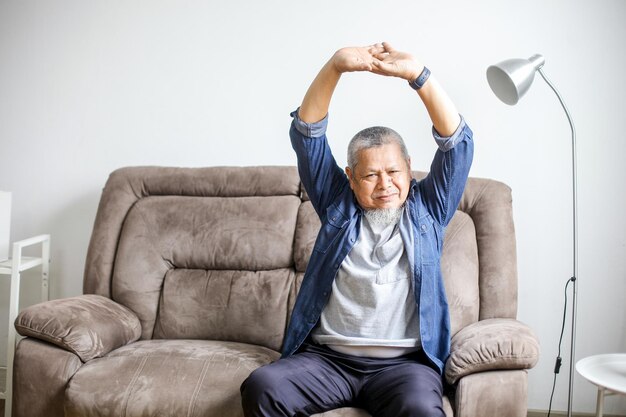
How to Find Arthritis Pain Relief: Understanding Your Options
Arthritis pain affects millions of older adults, and relief depends less on a magic solution than on understanding what's available and which approaches fit your particular type of arthritis, severity, and overall health. This guide maps the landscape so you can make informed decisions with your doctor.
What Causes Arthritis Pain
Arthritis isn't one condition—it's a family of joint disorders. The two most common are osteoarthritis (wear-and-tear breakdown of cartilage) and rheumatoid arthritis (an autoimmune disease attacking joint tissue). The pain mechanism differs between them, which matters because treatments that work for one may not work equally for the other.
Pain also varies by individual. Factors shaping how much discomfort you experience include joint location, inflammation level, muscle strength around the joint, daily activity patterns, and even sleep quality. This is why two people with "arthritis" can have completely different pain profiles.
Medical and Over-the-Counter Approaches
Nonsteroidal anti-inflammatory drugs (NSAIDs) like ibuprofen and naproxen reduce pain and inflammation. They work by blocking chemicals that trigger swelling. However, regular use carries risks—especially for older adults—including stomach upset, kidney effects, and interactions with blood pressure medications. Duration and dosage matter significantly.
Acetaminophen (Tylenol) addresses pain without the inflammatory component and generally has a different risk profile than NSAIDs, though it doesn't reduce inflammation itself.
Prescription medications range from stronger NSAIDs to corticosteroids (which suppress immune response) to disease-modifying drugs for rheumatoid arthritis. The right choice depends on your diagnosis, kidney and liver function, other medications, and whether you need to slow disease progression versus manage symptoms alone.
Topical creams and gels—applied directly to skin over painful joints—deliver medication locally with minimal systemic absorption. Effectiveness varies widely between individuals.
Non-Medication Strategies
Movement paradoxically helps arthritis pain, even though it seems counterintuitive. Gentle exercise (walking, water aerobics, range-of-motion work) strengthens muscles that stabilize joints, improves circulation, and maintains flexibility. The key is consistent, low-impact activity rather than intense exertion.
Heat and cold work through different mechanisms: heat increases blood flow and relaxes muscles; cold numbs pain and reduces inflammation. Which works better is individual—many people find rotating between them helpful.
Weight management reduces stress on weight-bearing joints (knees, hips, lower back) and may decrease inflammatory markers, though results vary based on current weight and other health factors.
Joint protection strategies—using adaptive equipment, pacing activities, and avoiding repetitive strain—prevent pain flares without relying on medication.
When Professional Input Matters
Your doctor or rheumatologist can assess which type of arthritis you have (or confirm you have multiple types), evaluate how your kidneys and liver handle medications, check for drug interactions with anything else you take, and discuss whether your situation calls for disease-modifying treatment to slow joint damage.
A physical therapist can design exercise routines matched to your mobility and goals. An occupational therapist can suggest joint-protection techniques and home modifications.
Key Variables That Shape Your Path Forward
| Factor | How It Affects Relief Options |
|---|---|
| Type of arthritis | Diagnosis determines whether disease-slowing drugs are relevant |
| Kidney/liver function | Affects which medications are safe and at what dose |
| Other health conditions | Some heart or stomach conditions limit NSAID use |
| Current medications | Multiple drugs create interaction risks |
| Pain severity and location | Localized pain may benefit from topicals; widespread pain may need systemic treatment |
| Activity level and goals | Someone wanting to hike needs different support than someone managing basic daily tasks |
| Preference for medication vs. non-medication | Some people prioritize avoiding pills; others prioritize convenience |
What to Evaluate With Your Healthcare Provider
Before choosing a relief strategy, discuss: Which type of arthritis do you have? How is your kidney and liver function? What other medications might interact? Which joints hurt most, and how does pain affect your daily life? Are there signs the arthritis is progressing? What's worked or not worked in the past?
There is no single "best" arthritis pain relief. The most effective approach is often a combination tailored to your specific diagnosis, health profile, and what matters most to you. Your role is understanding the options; your healthcare provider's role is matching them to your situation.