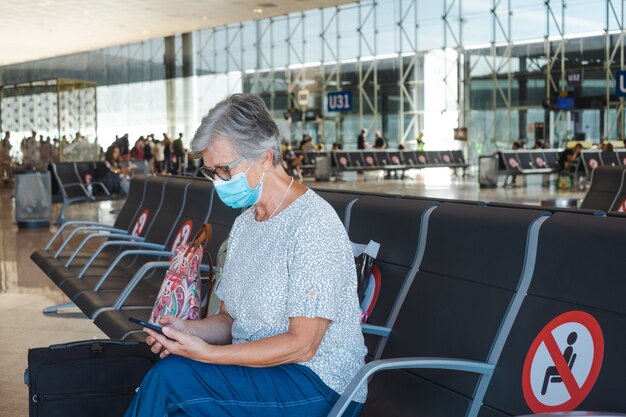
Airport Transit for Seniors: Your Guide to Getting Around Safely and Confidently ✈️
Navigating an airport can feel overwhelming—especially if you don't fly often or are managing mobility challenges. Airport transit covers everything from arriving at the terminal to moving through security, finding your gate, and boarding your flight. Understanding how airports are organized and what services exist can turn a stressful experience into a manageable one.
What Airport Transit Means
Airport transit refers to the process of moving through an airport from arrival to departure—whether that's walking to your gate, using a wheelchair service, or taking a shuttle between terminals. It includes physical navigation, finding services, managing your luggage, and understanding the sequence of security and boarding procedures.
Airports vary significantly in size, layout, and available services. A small regional airport might have everything within a short walk, while a large hub airport can span multiple terminals connected by trains, moving walkways, or shuttle buses.
Key Services Available to Seniors
Most major airports offer accessibility and mobility assistance at no extra charge—you don't need to qualify for disability status. These include:
- Wheelchair services: Staff can push you through the airport or provide an electric cart
- Accessible seating areas: Reserved sections near restrooms and water fountains
- TSA PreCheck accommodations: Reduced screening lines and ability to keep shoes and light layers on
- Moving walkways and elevators: Marked throughout terminals
- Clear signage and customer service desks: Help locating gates, restrooms, and dining options
- Accessible restrooms: Larger stalls and grab bars in most modern airports
Request these services when you arrive or arrange them ahead of time by calling your airline directly.
Planning Ahead: What Affects Your Experience
Your airport transit experience depends on several factors:
| Factor | Impact |
|---|---|
| Airport size | Larger airports = longer walking distances, more services; smaller = easier to navigate but fewer options |
| Mobility level | Affects whether you need wheelchair assistance, priority seating, or shorter routes |
| Connection time | Tight connections require knowing the terminal layout; longer layovers allow rest |
| Luggage load | More bags mean more handling; carryon-only trips simplify movement |
| Arrival/departure time | Peak hours = crowded terminals; off-peak = easier navigation but fewer open services |
| Advance planning | Knowing gate locations and terminal layout reduces stress and unexpected walking |
Practical Steps for Easier Transit
Before your trip:
- Check the airport's website for a terminal map and locate restrooms, dining, and seating areas
- Call your airline to notify them of mobility needs and request assistance
- Wear comfortable shoes and clothes that allow easy movement
- Consider packing a lightweight carryon to minimize luggage handling
- Allow extra time—plan to arrive earlier than standard recommendations
At the airport:
- Use curbside check-in if available to avoid walking with heavy bags
- Ask airport staff where the nearest accessible route to your gate is
- Take advantage of moving walkways and seating areas to rest
- Use customer service desks freely; staff can point you to services and help with questions
- Stay hydrated and don't skip meals, even if it means arriving at your gate later
During layovers:
- Locate your next gate immediately after deplaning
- Use moving walkways and rest frequently rather than rushing
- Remember that airport layout changes between terminals—don't assume your next gate is nearby
Security Screening Considerations
TSA offers TSA PreCheck, which typically includes a shorter screening line and reduced requirements (shoes and light jackets stay on). Application involves an in-person appointment and a fee; eligibility and benefits vary by location.
If you have joint pain, implants, or mobility limitations, inform TSA staff before screening. You can request a pat-down instead of the body scanner, and an officer can escort you through without unnecessary standing.
What Varies by Individual Situation
Whether airport transit feels manageable depends entirely on your personal circumstances—mobility, energy level, luggage, connection time, and familiarity with flying. Some seniors navigate large airports without assistance; others benefit from wheelchair service at smaller ones. Neither approach is universal.
The key is knowing what's available, planning ahead, and using services without hesitation. Most airport staff are trained to help, and you're not burdening anyone by asking for accessible routes, seating, or mobility assistance.