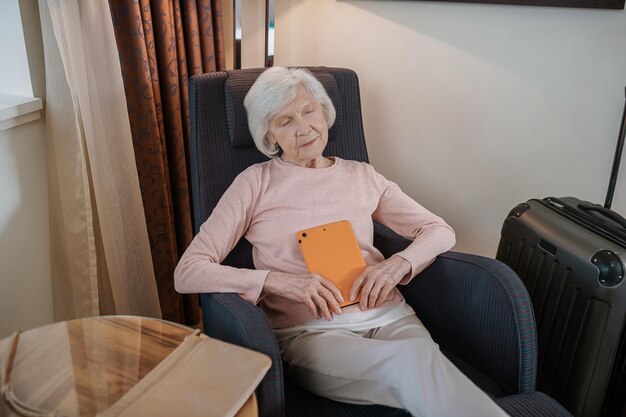
Airport Sleep Options: A Practical Guide for Travelers
Whether you're between connections, waiting for an early-morning flight, or stranded by a delay, sleeping at an airport presents real tradeoffs. Your comfort, safety, and rest quality depend on which airport you're in, how much time you have, your mobility, and what resources you're willing to use. Here's what you need to know to make the choice that fits your situation.
Why Airport Sleep Matters for Seniors 😴
Long travel days can be exhausting—especially for older adults managing fatigue, medications, or health conditions. A poor night's sleep in an uncomfortable chair can affect your mood, balance, decision-making, and immune function for days afterward. The difference between a rushed nap on a bench and an hour in a proper sleeping space can meaningfully shape how you feel during your next flight or upon arrival.
That said, sleeping in a public airport environment comes with real considerations: noise, security awareness, limited hygiene facilities, and potential health impacts from irregular sleep postures.
Your Airport Sleep Options: The Full Spectrum
Traditional Airport Seating (Free)
Most airports have seating areas, gates, or quieter corners where travelers sleep. These are cost-free but come with real limitations:
- Comfort: Chairs are often designed to discourage lying down (armrests dividing seats, curved designs). Sleeping upright or on your side may strain your neck, back, or shoulder.
- Noise and light: Airport environments run 24/7. Overhead announcements, rolling luggage, cleaning crews, and fluorescent lighting rarely stop.
- Safety and belongings: You'll want to stay aware of your surroundings and keep valuables secured or on your person—which can prevent deep sleep.
- Hygiene: Airport floors and furniture are heavily trafficked; bring a travel pillow or scarf as a barrier if hygiene concerns affect you.
Best for: Short naps (1–2 hours), travelers with high sleep tolerance, those with tight budgets and short layovers.
Airport Lounges (Membership or Day Pass)
Airline lounges, credit-card lounges, or independent airport lounges offer quieter environments with chairs, sometimes beds, and amenities like bathrooms, showers, and light refreshments.
- Access: Membership is typically tied to airline status, credit cards, or loyalty programs. Day passes are available but cost varies widely by airport and lounge.
- Comfort: Lounges are quieter and better lit for rest than gate areas. Some have recliners or dedicated rest areas; others don't.
- Time limits: Most lounges allow access for a set period (often 3–24 hours depending on the lounge and your pass type).
- Amenities: Showers, charging stations, WiFi, and fresher bathrooms are standard—valuable if you're transitioning between flights or want to freshen up.
Best for: Travelers with lounge access, those wanting a middle ground between free seating and paid accommodations, longer layovers.
Airport Hotels and Sleep Pods 🛏️
Many major airports now offer on-site hotels or micro-sleep facilities—individual pods, tiny rooms, or small suites.
- Comfort: Proper beds, climate control, and quiet—a sharp upgrade from seating.
- Cost: Sleep pods typically range from modest hourly rates; full hotel rooms vary. Budget accordingly based on airport and time of stay.
- Booking: These fill quickly during peak travel times. Advance booking or a flexible backup plan is wise.
- Convenience: Located in or very near the terminal, minimizing transit time.
Best for: Travelers who value sleep quality over cost, longer layovers (6+ hours), those with mobility challenges who find sleeping upright difficult.
Off-Airport Hotels with Shuttle Service
Hotels near the airport—sometimes just 5–15 minutes away—often offer day rates, hourly rates, or full overnight stays with shuttle service.
- Comfort and amenities: Full rooms, showers, beds, and a quieter environment.
- Cost: Often comparable to or less expensive than on-site options for longer stays, but shuttle timing and frequency vary.
- Logistics: You'll need to clear security again when you return to the terminal, which takes time.
Best for: Longer layovers (8+ hours), travelers who prefer a genuine break from the airport environment, those not concerned about clearing security again.
Car Rental Lot Naps or Your Own Vehicle
If you have a car at the airport, resting in it is an option—free, private, and on your own schedule.
- Comfort: Depends entirely on your vehicle.
- Safety: Vehicle theft and personal safety are legitimate concerns; choose your location carefully and stay aware.
- Logistics: Easier if you're picking up a rental or already have a car parked.
Best for: Drivers, longer layovers, travelers with flexibility on security timing.
Key Factors to Consider
| Factor | Impact on Your Choice |
|---|---|
| Layover length | 2 hours = quick nap only; 6–8 hours = worth seeking quiet space; 12+ hours = sleep pod or hotel realistic |
| Airport size | Large hubs often have more options (lounges, pods, hotels); smaller airports may have only gate seating |
| Your health | Back/neck pain, sleep apnea, or mobility issues often make upright seating impractical |
| Budget | Free seating vs. $20–100+ for pods/hotels—a meaningful difference on a fixed income |
| Time to next flight | Factor in security lines and delays; you need realistic buffer time |
| Luggage and valuables | More secure, supervised environments (lounges, hotels) reduce worry |
| Noise sensitivity | High? Avoid gate areas; choose lounges, pods, or hotels |
Practical Tips for Airport Sleep
- Scout your airport beforehand. Use airport maps, websites, or apps to locate quieter zones, family restrooms (often more spacious), or sleeping facilities.
- Bring comfort items. A neck pillow, eye mask, earplugs, and a light blanket or sweater make any space more restful.
- Timing matters. Late night (11 PM–5 AM) is often quieter than midday.
- Hygiene first. Wash your hands and face, use the restroom, and consider changing into clean clothes if possible.
- Set an alarm. Don't risk oversleeping and missing your flight.
- Stay hydrated and mobile. A short walk before sleep and stretches after help prevent stiffness.
What You Need to Decide
The right choice depends on your layover length, budget, health needs, comfort priorities, and how much time you're willing to invest in finding and accessing a sleeping option. Someone with a two-hour connection may sleep nowhere; someone with 12 hours and a sore back might benefit greatly from a sleep pod or hotel. Neither approach is "right"—the right answer is the one that matches your situation.