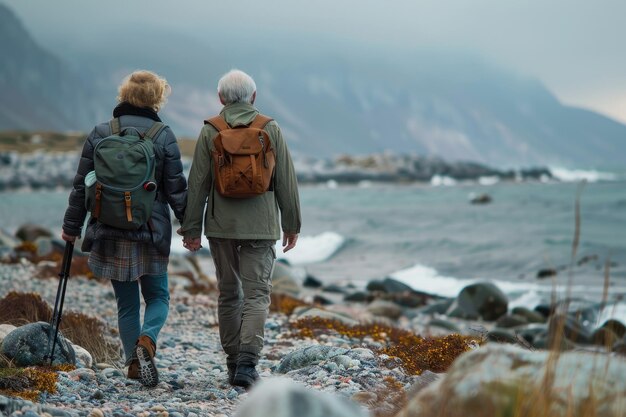
How to Plan Affordable Hiking Adventures as a Senior 🥾
Hiking doesn't have to be expensive, and age is no barrier to enjoying trails. Many seniors discover that hiking offers one of the most cost-effective ways to stay active outdoors—often requiring little more than proper footwear, time, and access to public lands. The key is understanding how to match trail difficulty to your fitness level, leverage free or low-cost resources, and make smart choices about gear.
Understanding Your Starting Point
Before budgeting for hiking, it helps to be honest about where you're starting. Fitness level, joint health, balance and stability, and altitude tolerance vary widely among older adults. Someone who's been walking regularly will approach trail selection differently than someone returning to activity after a period of lower movement. Your personal medical history—including any cardiac, orthopedic, or respiratory considerations—should guide trail choice and pace.
Starting small and building gradually isn't just safer; it's also the most affordable approach. A flat, well-maintained local trail costs nothing and teaches you what your body needs before you invest in specialized gear or travel to distant destinations.
The Real Cost Variables
Most affordable senior hikes break down into a few cost categories:
| Cost Factor | Budget-Friendly Approach |
|---|---|
| Trail access | Public lands (free); state/national parks (small day-use fees or passes) |
| Footwear | Proper hiking boots or shoes (one-time investment); waterproof socks |
| Basic gear | Backpack, water bottle, sun protection—often items you own already |
| Transportation | Local trails eliminate fuel; carpool or use public transit for distant hikes |
| Lodging | Day hikes avoid overnight costs; camping or budget motels for multi-day trips |
| Guides or classes | Many parks offer free ranger-led walks; outdoor clubs often arrange group hikes |
The lowest-cost hikes are those close to home on public trails. National Forests, state parks, and Bureau of Land Management (BLM) lands often charge nothing or minimal fees. Many communities also maintain free local trail systems.
Finding the Right Trails for Your Level
Trail difficulty depends on several factors beyond distance: elevation gain, footing (rock, roots, loose gravel), sun exposure, water access, and turnaround options. A 2-mile trail with 500 feet of elevation gain feels entirely different than a 4-mile flat loop.
Beginner-friendly choices typically feature:
- Flat or gentle grades
- Well-maintained, wide paths
- Shade coverage
- Water sources or restrooms along the way
- Lower altitude or sea-level terrain
Trail rating websites and apps—many free—let you filter by distance, elevation, and difficulty before you commit time or travel. Local hiking groups and senior centers often organize walks and share honest feedback about conditions.
Gear: What You Actually Need
A common misconception is that hiking requires expensive equipment. Most affordable senior hikers rely on items they already own:
- Footwear: Properly fitted hiking shoes or boots prevent injury and last longer than casual sneakers on uneven terrain. This is the one item worth investing in—$80–$150 for quality options that last several years.
- Hydration: A reusable water bottle or hydration pack costs little and is essential.
- Sun and weather protection: Hat, sunscreen, and a lightweight rain jacket (already in most closets).
- Small backpack: A 15–20-liter pack for day hikes is a modest one-time purchase.
- Trekking poles: Optional but valuable for balance and knee protection on downhills—$30–$60 used.
Specialized or brand-name gear is nice but not necessary. Thrift stores, online marketplaces, and yard sales often have gently used hiking equipment at a fraction of retail cost.
Getting Started Without Overcommitting
Start with free or nearly free steps:
- Walk local trails you know or can reach easily. Gauge how you feel before planning anything ambitious.
- Join a hiking group. Many senior centers, outdoor clubs, and meetup groups organize regular, free or low-cost walks.
- Use trail apps and websites to research before you go. Reading reviews helps avoid surprises.
- Hike with friends or family. Social motivation makes the experience richer and often covers transportation costs.
- Learn basic safety: Tell someone where you're going, carry identification, start early, and turn back if conditions feel unsafe.
When Specialty Gear or Trips Make Sense
If you discover you love hiking, some investments may improve the experience or enable longer trips—but that's a personal choice based on your actual use. A lightweight tent, quality sleeping bag, or better backpack only matter if you're camping regularly. Day hikes on established trails don't demand technical gear.
For distant hikes or multi-day trips, costs rise naturally due to travel and lodging. Evaluate those expenses on a trip-by-trip basis against how much the experience matters to you, rather than assuming hiking requires significant spending.
The Bottom Line
Affordable senior hiking thrives on a simple formula: start local, match trails to your current fitness, invest only in proper footwear, and leverage free community resources. Your age and fitness level are the real variables shaping what's possible and enjoyable—not your budget. The trails are there. The question is what feels right for you.