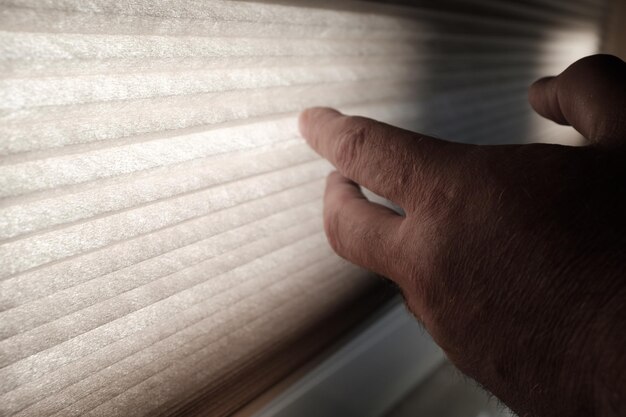
How to Find Affordable Replacement Blinds That Work for Your Needs 🪟
When blinds wear out or stop functioning properly, replacing them doesn't have to strain your budget. But "affordable" means different things depending on your priorities—whether you're prioritizing low upfront cost, durability, ease of installation, or long-term value. Understanding your options helps you make a choice that fits both your wallet and your situation.
What Makes Blinds "Affordable"?
Price is the obvious factor, but affordability is actually broader. A cheap blind that breaks within a year costs more over time than a moderately priced one that lasts five years. Similarly, if you pay someone to install blinds, labor costs may exceed the product cost itself—so DIY-friendly options become more "affordable" if you're able to install them yourself.
The key variables shaping what you'll spend:
- Material quality (vinyl, aluminum, wood, faux wood)
- Size and number of windows
- Whether you install them yourself or hire help
- Where you buy (big-box retailers, online specialists, local shops, discount outlets)
- Special features (motorization, blackout capacity, custom sizing)
Blind Types at Different Price Points
| Type | Typical Price Range | Best For | Trade-Offs |
|---|---|---|---|
| Vinyl/plastic blinds | Lower | Renters, kitchens, high-humidity areas | Less durable; may fade or warp |
| Aluminum blinds | Lower to moderate | Durability with minimal maintenance | Can dent; conduct heat/cold |
| Faux wood blinds | Moderate | Wood appearance without full wood cost | Heavier; can warp in extreme moisture |
| Real wood blinds | Higher | Aesthetics and longevity | Not ideal for bathrooms; premium pricing |
| Cellular/honeycomb blinds | Moderate | Energy efficiency and insulation | Harder to clean; less durable if motorized |
Lower-priced blinds aren't inherently poor quality—they're often the right choice if you're renting, need a temporary solution, or simply don't use that window often enough to justify premium materials.
Where to Shop and What to Expect
Big-box retailers (home improvement and department stores) offer stock sizes at competitive prices. You're paying for convenience and immediate availability, but selection may be limited and staff expertise varies.
Online specialists often have lower overhead, which can translate to lower prices, especially on standard sizes. Customization and return policies vary widely—read the fine print before ordering.
Local blind shops typically charge more upfront but may offer better consultation, custom fitting, and installation services bundled into the price. For seniors or anyone uncomfortable measuring windows precisely, this service has real value.
Discount outlets and clearance sections can yield significant savings, though you're often limited to what's in stock and may have fewer return options.
Installation: DIY vs. Professional
Installing blinds yourself can save $50–$200+ per window, depending on complexity. However, this requires accurate measuring, the right tools, and physical capability to mount hardware securely. A poorly installed blind can fall and create safety hazards—a particular concern for seniors living alone or those with mobility challenges.
Professional installation ensures proper fit and safety but adds labor costs. Some retailers bundle installation; others charge separately. Compare the total installed price, not just the blind itself.
How to Evaluate Value, Not Just Price
Ask yourself:
- How often will I use this window? A bedroom or seldom-used room doesn't warrant premium blinds.
- What's the climate or light exposure? High heat or UV may justify better materials even at higher cost.
- Can I install this myself? If yes, a lower-priced option becomes more affordable overall.
- How long do I plan to stay? Renters benefit from affordable, removable blinds; homeowners can spread cost over many years.
- Do I need accessibility features? Cordless or motorized options cost more but may be essential for mobility or safety reasons.
Red Flags and Smart Shopping
Avoid blinds with no return policy or extremely short warranties—they're often a sign of poor durability. Measure twice before ordering custom sizes; reshaping or reordering is expensive. Check reviews for common failures (cords fraying, slats cracking, mechanism breaking) rather than relying on price alone.
Many retailers offer seasonal sales or discounts if you're not in a rush. Buying in bulk (if you're replacing multiple windows) sometimes triggers discounts.
The most affordable blind is one that solves your actual problem without features you won't use or durability you don't need. Clarify what matters most to you—cost, longevity, appearance, or installation ease—and use that to guide your search rather than price alone.