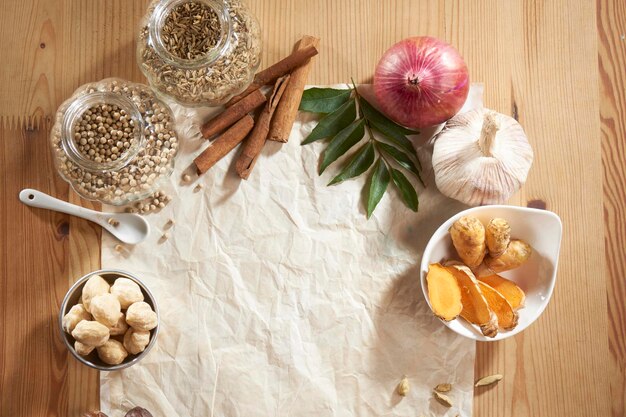
Immune Support Herbs: What Older Adults Should Know 🌿
When it comes to staying healthy as you age, supporting your immune system naturally appeals to many people. Herbal remedies have been used in traditional medicine for centuries, and some older adults turn to them hoping to strengthen their body's defenses. But what actually works, what's safe, and how do you sort fact from marketing? Here's what you need to know.
How Herbs Interact With Immunity
Your immune system is complex—it involves white blood cells, antibodies, inflammatory responses, and countless other mechanisms working together. Herbs don't directly "boost" immunity the way a single drug might lower blood pressure. Instead, certain herbs contain compounds that may support general health or influence specific immune functions in modest ways.
Some herbs are anti-inflammatory, which can reduce chronic inflammation linked to aging. Others contain antioxidants that neutralize cell damage. A few have antimicrobial properties that may help your body fight off certain infections. None of this is a substitute for vaccines, good hygiene, sleep, exercise, or proper nutrition—all foundational to immune health at any age.
Common Immune Support Herbs and What Research Shows
| Herb | Potential Role | What's Important to Know |
|---|---|---|
| Elderberry | May reduce cold duration or severity in some cases | Most evidence is modest; quality varies widely between products |
| Echinacea | Traditionally used for colds; research is mixed | Some studies show small benefits, others show none |
| Ginger | Anti-inflammatory; may ease nausea | Long studied, but immune benefits are not primary evidence base |
| Turmeric (Curcumin) | Anti-inflammatory compound | Strong lab evidence; human studies less conclusive at typical doses |
| Garlic | Contains sulfur compounds with antimicrobial properties | Limited clinical evidence in humans for immune benefit |
| Astragalus | Used in traditional Chinese medicine for immune support | Minimal rigorous research in Western populations |
None of these herbs are proven to prevent disease or cure infection. Some show promise in early-stage research, and some have a long traditional use history—but traditional use and proven efficacy are not the same thing.
Key Variables That Shape Your Experience
Whether an immune support herb helps you depends on several overlapping factors:
Product quality and standardization. Herbal supplements are minimally regulated. Two bottles labeled "elderberry" may contain vastly different amounts of active compounds—or different plant parts entirely.
Your baseline health. Someone with a well-functioning immune system will experience different effects than someone managing chronic illness or taking immunosuppressive medications.
Your medications and conditions. Ginger, turmeric, garlic, and other herbs can interact with blood thinners, diabetes medications, and immune-modulating drugs. Older adults often take multiple prescriptions—interactions are a real concern.
Dose and duration. A single cup of ginger tea is not the same as a concentrated extract taken daily for months. Research on one doesn't apply to the other.
How you measure results. Did you catch fewer colds, or did they feel slightly shorter? Did you sleep better (which does support immunity)? Perception and actual outcomes often diverge.
What Older Adults Especially Need to Consider
As you age, certain concerns become more relevant:
Drug interactions are serious. Warfarin, aspirin, statins, metformin, and many other common medications can interact with herbal supplements. What's safe for a healthy 45-year-old might not be safe for you. Always discuss herbs with your doctor or pharmacist before adding them.
Quality matters more when your body processes substances differently. Older adults often have reduced kidney or liver function, which can affect how your body handles herbal compounds. Contaminants or heavy metals in low-quality supplements pose greater risk.
You may see marketing aimed at fear. Supplement companies often market immune support with language designed to worry you. Phrases like "strengthen your immune system" sound good but are often unverified. Regulatory oversight is light, and marketing claims aren't always backed by evidence.
What You Actually Need to Evaluate for Your Situation
If you're considering immune support herbs, here's what matters:
- Your current medications and health conditions. Ask your doctor or pharmacist specifically about interactions.
- Whether you're looking for disease prevention or symptom management. The evidence and appropriate herb differs between these goals.
- Your baseline immune health and any diagnosed deficiencies. If you're already generally healthy, the benefits of added herbs may be minimal.
- The quality and source of any product you're considering. Look for third-party testing information.
- Whether lifestyle factors (sleep, exercise, nutrition, vaccination) are already optimized. No herb compensates for poor sleep or skipping your flu vaccine.
Immune support herbs can be part of a broader wellness approach for some people, but they're not a shortcut to better health. The fundamentals—vaccination, sleep, movement, stress management, and a balanced diet—do far more for immune health in older age than any herb alone.