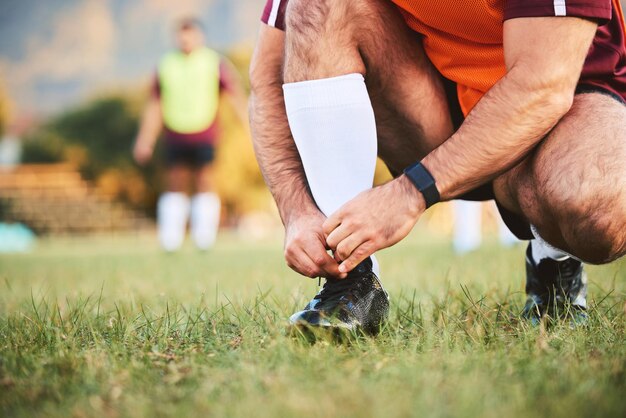
Athletic Tape Options: Understanding Types, Uses, and Where to Save
Athletic tape is one of those products that seems simple until you're standing in a drugstore aisle facing a dozen choices. The right option depends on what you're taping, how long you need it to stay on, your skin sensitivity, and your budget. Here's what you need to know to make an informed choice. 🏃
What Athletic Tape Does (and Doesn't)
Athletic tape is adhesive tape designed to support joints, reduce motion in specific directions, or hold protective padding in place during physical activity. It works by restricting movement rather than providing true structural support—think of it as a reminder to your body to move a certain way, not a brace.
The tape doesn't heal injuries or replace medical treatment. It's a supportive tool used alongside proper rest, physical therapy, or professional care when appropriate.
Main Types of Athletic Tape
Rigid (Cloth) Tape
This is the traditional white or beige tape you see on athletes' ankles and wrists. It's made from cotton fabric with a strong adhesive backing.
Strengths: Excellent support, stays in place well, works for precise taping patterns, generally affordable.
Limitations: Doesn't stretch, can feel stiff, may irritate sensitive skin, requires skill to apply correctly, difficult to remove without pulling.
Elastic (Kinesiology-Style) Tape
These colorful, stretchy tapes move with your body and are designed to provide support while allowing fuller range of motion.
Strengths: Flexible, easier to apply, gentler on skin, stays on through showers, comes in fun colors.
Limitations: Less rigid support, more expensive per roll, effectiveness depends heavily on application technique, adhesive quality varies widely.
Flexible Foam Tape
A hybrid between rigid and elastic options—it has some stretch but more support than full kinesiology tape.
Strengths: Moderate support with movement, easier application than rigid tape, gentler removal.
Limitations: Middle-ground performance (doesn't excel at strict support or full flexibility), less common in retail stores.
Key Factors That Shape Your Choice
Activity level and type: High-impact sports or competitive athletes often prefer rigid tape for maximum support. Casual exercisers or those managing minor discomfort may get good results with elastic options.
Location and body part: Ankles and wrists typically need more rigid support. Shoulders, knees, and larger muscles may work well with elastic or foam tape.
Duration of wear: If you need tape on for hours or multiple days, adhesive strength matters more. Some elastic tapes are designed for multi-day wear; others loosen within hours.
Skin sensitivity: Rigid tape adhesive can cause irritation with frequent use. Elastic tape brands vary—some are hypoallergenic, others aren't.
Application skill: Rigid tape requires learning proper taping patterns. Elastic tape is more forgiving but still benefits from correct technique.
Budget: Rigid tape typically costs less per application. Elastic tape has a higher per-roll cost but may require less tape per use.
Where Discounts and Savings Apply
Athletic tape is widely available at drugstores, supermarkets, sporting goods retailers, and online—prices and promotions vary significantly by location and seller. Bulk buying (buying multiple rolls at once) sometimes offers per-roll savings. Store brands typically cost less than name brands with similar function. Seasonal sales around back-to-school or sports seasons can offer discounts on all types.
Some healthcare providers or physical therapy clinics offer tape at cost or slight markups if you're purchasing as part of a treatment plan. Insurance rarely covers athletic tape, though some athletic training programs or team budgets do.
What to Evaluate for Your Situation
Before buying, consider: What body part are you taping? How often and for how long? Do you have sensitive skin? Are you willing to learn proper taping technique, or do you need something more intuitive? What's your comfort level with cost per application?
The "best" tape isn't the most expensive or most popular—it's the one that stays put during your activity, feels comfortable on your skin, and fits your budget for regular use.