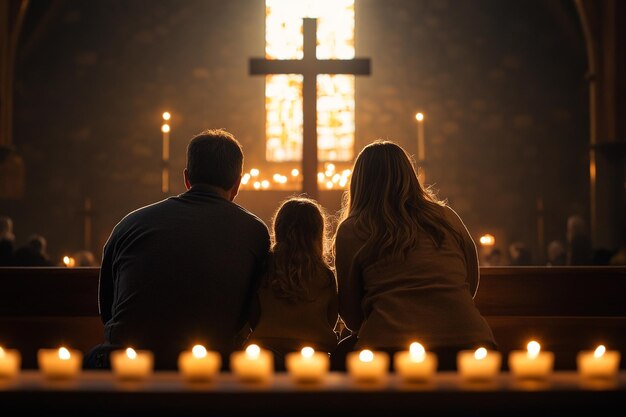
Finding and Choosing Churches in Spokane
Spokane, Washington's second-largest city, has a diverse religious landscape shaped by its history, geography, and shifting population. Whether you're new to the area, returning after years away, or simply exploring faith communities, understanding what's available and how to evaluate options makes the search more practical.
The Spokane Religious Landscape 🙏
Spokane's churches span mainline Protestant denominations, evangelical and non-denominational congregations, Catholic parishes, Orthodox communities, and smaller faith traditions. The city's religious character reflects both its Pacific Northwest location and its role as a regional hub—you'll find established historic congregations alongside newer plants, large multi-campus communities, and intimate neighborhood gatherings.
The distribution isn't uniform. Downtown and central Spokane clusters certain traditions; outlying neighborhoods and suburbs have their own congregation patterns. Denominational density varies too. Some traditions have dozens of local options; others have just a handful.
Key Factors That Shape Your Search
Location and commute. Most people choose a church within 15–20 minutes of home or work, though willingness to travel varies. Some prioritize proximity; others will drive across the city for a specific congregation or tradition.
Tradition and theology. Churches differ in worship style, teaching emphasis, and theological perspective—even within the same denomination. Some offer contemporary music and casual settings; others feature traditional liturgy. Some focus heavily on Bible study and doctrine; others emphasize service and social justice. These aren't better or worse—they're different.
Community size. Spokane includes megachurches with hundreds or thousands of attendees, mid-sized congregations (100–400 people), and small intimate communities (under 100). Larger churches often have more programs and resources; smaller ones may offer closer personal connection.
Programs and services. If you have children, look for Sunday school, youth groups, or childcare. If you're seeking community service, some churches emphasize volunteer outreach. If you want spiritual depth, some offer robust small-group or discipleship structures.
How to Start Your Search
Use online directories. Websites like Google Maps, Yelp, and ChurchFinder let you filter by location, denomination, and sometimes worship style. You can see photos, service times, and reader reviews—though reviews reflect individual experience, not universal quality.
Ask for local referrals. Neighbors, coworkers, and friends who attend church can describe their experience firsthand and explain what makes a community meaningful to them.
Visit in person. No online profile fully captures a church's atmosphere, warmth, or teaching quality. Most churches welcome visitors; some have formal visitor processes (like a welcome table), while others blend you into the crowd.
Attend more than once. One visit shows you the structure; multiple visits reveal whether you feel at home and whether the community's values align with yours.
What to Evaluate During a Visit
| Factor | What to Notice |
|---|---|
| Welcome | Are newcomers acknowledged? Do people seem friendly but not intrusive? |
| Worship style | Does the pace, music, and tone match your preference? |
| Teaching | Is the message thoughtful and engaging? Does the pastor's style resonate with you? |
| Community | Do people interact genuinely? Do they stay for fellowship, or disperse immediately? |
| Theology alignment | Listen to what's taught. Does it match your beliefs and values? |
| Accessibility | Are there ramps, parking, accessible restrooms? Is childcare available? |
Practical Realities
Most Spokane churches follow traditional Sunday morning schedules, though some offer Saturday evening or weeknight services. Visitor expectations vary widely—some churches assume first-time guests have no church background; others assume basic familiarity. Neither approach is wrong, but it affects how welcomed you feel.
Denominations and independent churches coexist, and finding one involves matching your own theology and preferences with what a congregation actually teaches and does, not just what its name suggests.
Community involvement differs. Some churches are primarily worship-focused; others integrate heavily into neighborhood service, advocacy, or social causes. Understanding what matters to you matters.
Finding a church that fits isn't instant. It requires honest reflection about what you're seeking—worship experience, spiritual teaching, community, service opportunity, or some combination—and willingness to try a few options before deciding. Your situation, background, and needs are unique; only you can assess whether a Spokane congregation aligns with them.