How Earwax Buildup Affects Hearing Aids and What You Can Do About It 👂
Earwax is a natural, protective substance your ear produces—but it can become a real problem for hearing aid users. If you wear hearing aids, understanding how earwax interacts with your device is essential to keeping it working well and protecting your hearing health.
Why Earwax Matters More for Hearing Aid Wearers
Hearing aids sit deep in or near the ear canal, in the exact spot where earwax naturally accumulates. Unlike people without hearing aids, you're dealing with a device that can trap wax, become clogged, or suffer damage from moisture and debris.
The main issues earwax causes:
- Sound distortion or reduced volume — wax blocks the speaker or microphone openings
- Feedback (whistling sounds) — wax changes how sound travels through the device
- Device malfunction — wax and moisture corrode internal components over time
- Ear discomfort or infection risk — a hearing aid can push existing wax deeper into the canal
Not every hearing aid wearer will experience significant earwax problems, but the risk is real enough that audiologists routinely address it during fittings and follow-up appointments.
Factors That Influence Your Earwax Risk 🔍
Several variables determine how much earwax will affect your specific situation:
| Factor | How It Matters |
|---|---|
| Your natural earwax production | Some people produce more wax than others—partly genetic, partly due to age or ear canal shape |
| Type and fit of your hearing aid | In-the-ear (ITE) models sit deeper in the canal and collect more wax than behind-the-ear (BTE) styles |
| Moisture and humidity | High humidity, swimming, or sweating increase wax softness and buildup risk |
| Ear canal shape and size | Narrow or curved canals trap wax more easily |
| How consistently you clean your device | Daily cleaning can prevent most wax-related problems |
What Hearing Aid Users Should Know About Earwax Removal
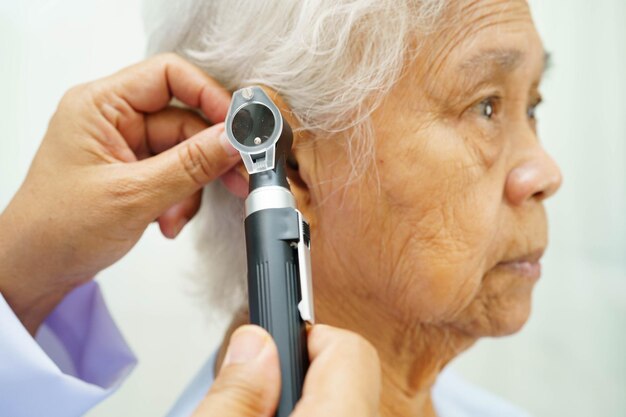
Professional earwax removal is safer than at-home attempts, especially if you wear a hearing aid. An audiologist or doctor can visualize your ear canal and remove wax without risking damage to your eardrum or hearing aid.
How often you'll need it depends on how fast your earwax builds up. Some people need professional cleaning every few months; others go years without needing it. Your audiologist can advise based on what they observe during regular appointments.
At-home maintenance makes a huge difference. Most hearing aid damage from earwax happens to users who don't clean their devices daily. A soft, dry cloth and the cleaning tools your audiologist provides (usually a wax pick or brush) can prevent most buildup from causing problems.
Don't use ear drops or irrigation kits without checking with your audiologist first. Some wax-softening solutions can damage hearing aid components or interact badly with your specific device.
When to Seek Professional Help
Contact your audiologist or doctor if you notice:
- Your hearing aid cutting out or sounding muffled despite cleaning
- Unusual feedback or whistling that cleaning doesn't fix
- Ear pain, itching, or a feeling of fullness
- Visible wax in your ear canal when you look in the mirror
- Signs of infection (discharge, redness, warmth)
These symptoms can signal earwax impaction, a clogged device, or something else that needs professional assessment. Don't try to solve it on your own—improper removal can damage your ear or your device.
The Bottom Line
Earwax and hearing aids aren't necessarily a problem if you clean your device daily, see your audiologist regularly, and get professional earwax removal when needed. The key is staying ahead of buildup rather than waiting for it to interfere with your hearing aid's performance or your ear health.
Your audiologist is your best resource for advice specific to your hearing aid type, ear canal, and earwax patterns. They can show you the right cleaning techniques and help you know when professional removal is the right choice.