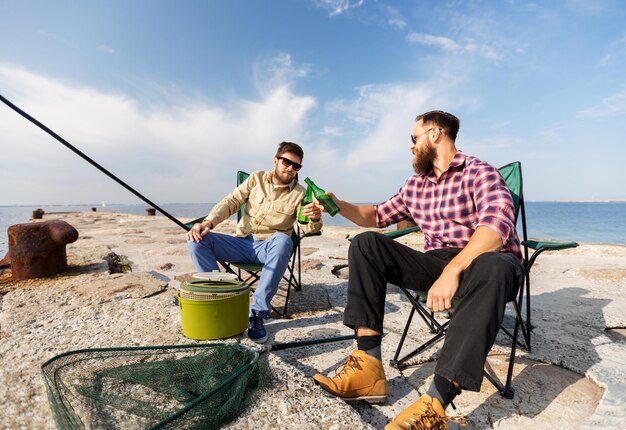
Teal Lake Fishing Techniques: What Works and Why
Fishing a teal lake—whether you're targeting bluegill, crappie, catfish, or bass—requires understanding both the water environment and the behavior of the fish species you're after. The techniques that work best depend on seasonal conditions, the specific fish species in your lake, your experience level, and the gear you have available. Here's what you need to know to fish teal lakes effectively.
Understanding Teal Lakes and Fish Behavior 🎣
Teal lakes are typically smaller, shallow to moderately deep freshwater bodies with good visibility and stable conditions. These characteristics shape where fish congregate and how they feed.
Fish positioning in teal lakes follows predictable patterns:
- In warm months, fish often retreat to deeper channels, drop-offs, or shaded areas
- During cooler seasons, they may move to shallow flats for feeding
- Structure matters enormously—vegetation, fallen trees, rocks, and ledges concentrate fish
- Time of day affects feeding behavior; dawn and dusk often produce more activity
Understanding these patterns helps you narrow down where to cast rather than fishing blindly across the entire lake.
Primary Teal Lake Fishing Techniques
Casting and Retrieval
Casting involves throwing your line near likely fish habitat and retrieving it in a way that mimics natural prey movement. This is the most common approach for recreational anglers.
The effectiveness of casting depends on:
- Lure or bait selection — what resembles the natural food in that lake
- Retrieval speed and pattern — slow and steady, jerky, or pausing triggers different responses
- Distance and accuracy — reaching fish without spooking them
- Depth control — whether you're fishing the surface, mid-water, or bottom
Casting works well when you can see or predict structure and don't mind active fishing. It requires more skill to read the water but offers flexibility.
Still Fishing and Live Bait
Still fishing means anchoring or stationing yourself and waiting for fish to come to your bait. This approach uses live bait (minnows, crawfish, insects) or natural dead bait positioned near structure.
Variables that influence success:
- Bait freshness and species — what's natural in that specific lake
- Depth and placement — positioning bait where fish naturally feed
- Patience and waiting time — some fish respond faster than others
- Line tension and sensitivity — knowing when a fish is interested
Still fishing suits anglers who prefer a slower pace and works well in deeper water or when fish are less active. It's often more reliable for certain species like catfish and panfish.
Trolling
Trolling means moving your boat slowly while dragging lures or lines behind it. This covers water efficiently and works well when you're unsure where fish are holding.
Trolling effectiveness depends on:
- Boat speed — typically 1.5 to 4 miles per hour, varying by species
- Lure depth and type — weighted lines, crankbaits, or spinners set at different depths
- Route and pattern — following contours, weeds, or structure systematically
- Water clarity and season — determines visibility and fish activity
Trolling requires a boat and some equipment investment but can be productive in larger teal lakes. It's less precise than casting but covers more area.
Fly Fishing
Fly fishing uses lightweight artificial flies and specialized casting technique. It's effective for panfish, trout (if present), and bass in teal lakes.
Success factors include:
- Fly selection — matching the natural insects or small prey in the lake
- Water reading — identifying current breaks, deep spots, and feeding lanes
- Casting precision — accuracy matters more than distance
- Light tackle feel — requires practice but offers connection and control
Fly fishing demands more skill and equipment but rewards attention to detail and stream or lake conditions.
Variables That Shape Your Choice 🌊
| Factor | How It Affects Technique Selection |
|---|---|
| Fish species | Bass may respond to lures; catfish prefer bait; panfish take flies or small jigs |
| Season | Cold water slows fish; warm water pushes them deeper; pre-spawn and post-spawn trigger feeding |
| Water clarity | Clear water favors natural presentations; murky water suits bright or noisy lures |
| Time of day | Dawn/dusk peak activity; midday often requires deeper, slower presentations |
| Lake depth | Shallow lakes favor casting; deeper lakes suit trolling or deep still fishing |
| Your experience | Beginners often start with still fishing or simple casting; advanced anglers experiment more |
| Equipment available | Boat access changes your options; shore fishing limits some techniques |
Best Practices for Teal Lake Fishing
Scout before you fish. If possible, visit the lake during daylight and note structure, access points, and visible fish activity. Even a quick look from the shore tells you where to start.
Match the hatch. Observe what insects or small fish are naturally present, then choose baits or lures that resemble them. Local bait shops often know what's working.
Fish the transitions. The boundaries between shallow and deep water, between weeds and open water, and between shaded and sunny areas concentrate fish.
Adjust for season. Spring and fall often bring more aggressive feeding. Summer requires deeper presentations; winter requires patience and slower movement.
Practice catch-and-release awareness. Handle fish carefully, keep your hands wet, and return them promptly if you're not keeping them. Local regulations vary, so know the rules for your specific lake.
Start simple. One or two reliable techniques learned well outperform a tackle box full of untested gear. Master casting or still fishing before adding complexity.
What You Need to Evaluate for Your Situation
The right technique for you depends on how much time you have, whether you have boat access, which fish species are in your teal lake, your comfort with different methods, and what you enjoy. A patient angler with a rowboat and evening hours might excel at still fishing near structure. An active angler with a boat might prefer trolling productive routes. Someone fishing from shore might focus on casting near visible structure.
The landscape of teal lake fishing offers multiple paths to success. Your job is matching the technique to your circumstances and the conditions you encounter.