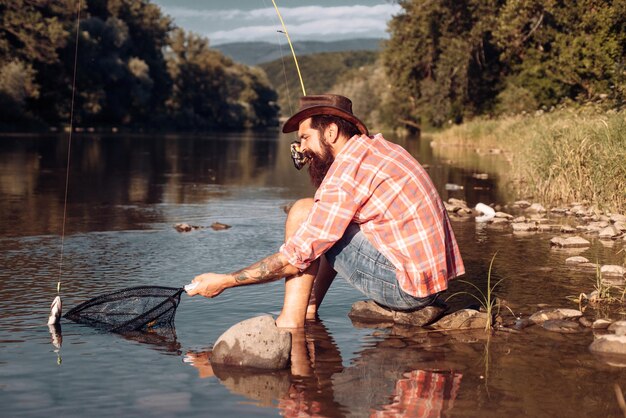
What Are State Fishing Requirements? 🎣
If you've ever wanted to fish in a lake, river, or ocean, you've likely encountered the phrase "fishing license required." But what does that actually mean, and what else do you need to know? State fishing requirements exist to protect fish populations and ensure public safety on the water. Understanding the landscape helps you stay legal and fish responsibly.
Why States Require Fishing Licenses
Every U.S. state manages its own fish and wildlife resources, and fishing licenses are the primary tool they use to fund conservation. The money from license sales goes directly to habitat restoration, fish stocking, enforcement, and public fishing access—not to the state's general budget. In this way, anglers directly fund the preservation of the waters they use.
Licenses also serve a regulatory function: they allow states to track who's fishing, where, and how much, which helps wildlife managers make data-driven decisions about sustainable catch limits.
Core Requirements That Vary by State
While every state requires some form of fishing authorization, the specifics differ significantly. Here's what typically varies:
Age thresholds
Most states exempt young children from licensing (often under age 16), though the exact cutoff varies. Some states allow a short grace period for first-time anglers.
Residency status
Resident and non-resident licenses usually cost different amounts, with non-resident licenses priced higher. Some states offer short-term licenses (daily or weekly) for visitors.
License type
States may offer separate licenses for freshwater and saltwater fishing, or combined licenses. Some have specialized licenses for specific methods—fly-fishing, spearfishing, or net fishing—with different rules for each.
Species and catch limits
Even with a valid license, you can't fish for everything. States set bag limits (how many fish you can keep per day) and size limits (minimum or maximum length) by species. These change seasonally and by location.
Season restrictions
Not all fish can be caught year-round. Trout season, bass season, and other seasons vary by state and sometimes by specific water body.
What You Actually Need Before You Fish
| Requirement | What It Means | Who Needs It |
|---|---|---|
| Fishing License | Annual or short-term authorization from your state | Most people age 16+ (varies by state) |
| Endorsements or Stamps | Add-ons for specific species (trout, salmon) or methods | Only if you fish for that species/method |
| Saltwater License | Separate from freshwater in many coastal states | Anyone fishing in ocean or estuaries |
| Conservation Stamps | Similar to endorsements; funds specific programs | Varies by state and target species |
How to Find Your State's Specific Rules
Because requirements are state-specific, there's no universal answer. What you need depends on:
- Which state(s) you're fishing in
- Whether you're a resident or non-resident
- Your age
- What species you want to catch
- Where you're fishing (public vs. private land; freshwater vs. saltwater)
- What time of year you're going
The easiest way to get accurate information is to visit your state's fish and wildlife agency website directly. Most state agencies have interactive tools that guide you through license selection based on your specific situation.
Common Misconceptions
"If I fish on private land, I don't need a license."
In most states, you still need a license to fish on private property—the license covers the activity itself, not just access to public waters. Confirm with your state agency.
"A license covers all fish everywhere."
No. A license grants you the right to fish, but catch limits, size restrictions, and seasonal closures apply to specific species and waters. Always check local regulations for where you're fishing.
"Out-of-state visitors can fish freely for a few days."
Not automatically. Non-residents typically need to purchase a license, though many states offer affordable short-term options specifically for this reason.
What Happens If You Don't Comply
Fishing without a required license, exceeding catch limits, or keeping undersized fish can result in citations, fines, and loss of fishing privileges. Penalties vary by state and the severity of the violation. Beyond legal consequences, non-compliance undermines the conservation work funded by anglers who do follow the rules.
Moving Forward
Before your next fishing trip, take 15 minutes to verify the requirements for your specific situation. Your state's fish and wildlife agency website is the authoritative source, and the information is usually free and straightforward. Different circumstances—your age, residency, location, and target species—determine exactly what you need. Getting it right from the start keeps you legal, supports conservation, and lets you focus on fishing.