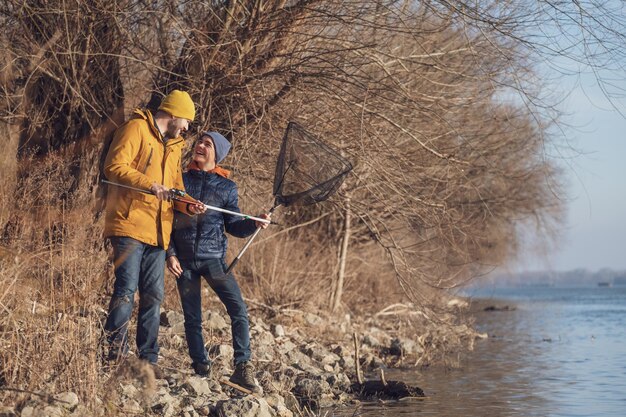
How Local Fishing Tournaments Work and What You Should Know Before Entering
Fishing tournaments are organized competitions where anglers fish within a specific time frame and location, competing to catch the largest fish, the most fish, or both—depending on the tournament format. These events range from casual community competitions at small lakes to more structured regional contests. Understanding how they work, what to expect, and what factors affect your experience will help you decide whether participating makes sense for your situation. 🎣
What Happens in a Typical Local Tournament
Most local tournaments follow a straightforward structure. You register in advance (or sometimes day-of, depending on the event), receive a start time, and fish during a designated window—commonly 6–8 hours. Weigh-in occurs at a set time and location, where your catch is officially recorded.
Formats vary by tournament:
- Catch-and-release tournaments measure fish by length, then release them back into the water
- Live-weight tournaments require fish to remain alive in livewells until official weigh-in
- Aggregate competitions combine multiple days of fishing to determine standings
The winner is typically determined by total weight (or length, in catch-and-release events), though some tournaments have side bets or categories for specific species or largest single fish.
Registration, Fees, and Entry Basics
Entry fees vary widely depending on the tournament's scope and prize structure. Small local events might charge modest registration fees, while larger regional tournaments charge more. These fees typically fund the prize pool, venue rental, weigh-master services, and event administration.
Key variables that affect fees and eligibility:
- Tournament size and prestige
- Whether it's open to all anglers or limited to club members
- Prize pool size and distribution
- Location and facility costs
- Single-day versus multi-day format
Most local tournaments don't require special licenses beyond a standard fishing license, though you should confirm this when registering. Some are restricted to specific age groups, experience levels, or club membership; others are open to anyone. Check the specific tournament's rules before committing.
Where Tournaments Happen and How to Find Them
Local tournaments occur on lakes, rivers, reservoirs, and coastal waters—wherever there's a managed fishery. You'll find them advertised through:
- Local fishing clubs and organizations
- Bait-and-tackle shop bulletin boards
- County parks and recreation departments
- Municipal fishing websites
- Social media groups focused on regional fishing
The season, timing, and availability of tournaments depend heavily on your geography, the fish species present, and local conservation regulations. Coastal areas and regions with large lakes or rivers tend to have more frequent competitions.
What Affects Your Outcome: The Real Variables
Your experience in a tournament depends on several interconnected factors:
| Factor | How It Shapes Your Experience |
|---|---|
| Water and weather conditions | Fish activity, location, and catchability vary by season, water temperature, clarity, and weather. Same lake, different day = different results. |
| Your skill level and experience | Knowledge of the water body, tackle selection, technique, and reading conditions matter significantly. |
| Equipment and tackle | Your rod, reel, lures, and other gear influence what you can catch, but don't guarantee outcomes. |
| Tournament rules and format | Catch-and-release vs. live-weight, size restrictions, and daily limits change strategy and what counts. |
| Competition level | Local small-town events differ from regional competitions with experienced anglers. |
| Time of day and season | Fish behavior shifts throughout the day and year, affecting what's possible during your fishing window. |
None of these factors alone determines whether you'll place or catch fish—they interact in ways that change from one tournament to the next.
Common Rules and Expectations
Most local tournaments enforce catch limits (the number of fish you can weigh in), size restrictions (minimum length requirements), and species rules (which fish count toward your total). Many require anglers to start from a designated location at a specific time and stay within defined boundaries.
Sportsmanship and ethics matter. Violations like fishing before the official start, exceeding catch limits, or reporting false weights can result in disqualification and damage to your standing in the fishing community. Respect for the resource and other anglers is expected.
Is a Local Tournament Right for You?
Consider what draws you to the idea: competition, community, a structured outing, the chance to test your skills, or the potential for prizes. Your interest level, available time, skill comfort, and local tournament options are all personal factors that only you can weigh. Some anglers fish tournaments regularly; others fish one or two a year for fun. Both approaches are valid.
The best first step is to attend a tournament as an observer or ask questions at local tackle shops about upcoming events and what the atmosphere is like. That hands-on sense will tell you more than any description.