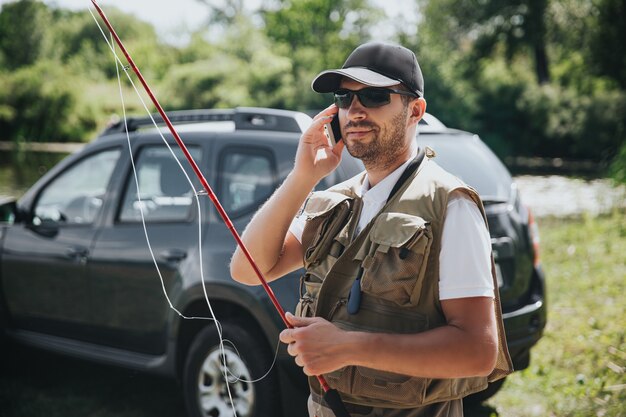
Do You Need a Fishing Permit? What You Should Know 🎣
Whether you're planning to cast a line in a local pond or a distant river, one of the first questions you'll face is: Do I need a fishing permit? The short answer is that most people do—but the specifics depend on where you're fishing, what you're fishing for, and your age and residency status.
Understanding fishing permits isn't complicated once you know what shapes the rules. This guide explains how the system works and what factors determine whether you'll need one.
How Fishing Permits Work
A fishing permit (also called a fishing license) is an official authorization that allows you to legally fish in a given jurisdiction. It's not a one-time decision—it's a regulated activity managed by state fish and wildlife agencies, or equivalent bodies in other countries.
Permits exist for two main reasons: conservation and funding. Revenue from permit sales funds habitat restoration, species management, and enforcement of fishing regulations. The permit itself proves you understand basic rules about seasons, catch limits, and gear restrictions in your area.
In the United States, every state manages its own fishing permit system. There is no federal fishing permit for freshwater fishing; instead, each state sets its own requirements. This means what's required in one state may differ significantly from a neighboring state.
Who Needs a Permit
The factors that determine whether you need a permit include:
Residency and Age
- Most states require both residents and non-residents to obtain permits
- Age exemptions vary widely—some states exempt children under a certain age (often 12–16), while others have no age exemption
- Senior citizens sometimes qualify for reduced-cost or free permits in their home state
Type of Water
- Public waters almost always require a permit
- Private property rules depend on the state; some allow fishing on private land without a permit if you have the landowner's permission, while others require a permit regardless
- Federal lands may have additional requirements beyond the state permit
Fishing Method
- Some states distinguish between different methods (rod and reel, fly fishing, bow fishing, net fishing) and may require separate permits for certain techniques
- Saltwater fishing sometimes operates under a separate system than freshwater fishing
Duration and Type of License States typically offer several permit options:
- Annual licenses for year-round access
- Short-term licenses (3 days, 7 days, or seasonal)
- One-day permits for occasional anglers
- Special endorsements (trout stamps, saltwater endorsements) that add to the base license
Variables That Shape Permit Requirements
| Factor | Impact |
|---|---|
| State of residence | Determines which agency oversees permits and what rules apply |
| Location of fishing | Public vs. private water; state vs. tribal lands |
| Age | Affects eligibility and potential exemptions |
| Fishing method | May require additional endorsements or separate permits |
| Duration | Influences permit type and cost structure |
| Residency status | Non-residents often pay more and may face different restrictions |
How to Find Out What You Need
Since requirements are jurisdiction-specific, here's the practical path:
- Identify where you'll fish. Which state, county, or body of water?
- Visit the relevant state fish and wildlife agency website. Search for "[State name] fishing license" or "Department of Fish and Wildlife."
- Check the specific water. Some lakes or rivers have their own rules beyond state requirements.
- Look for your profile. Age, residency, and method matter—the agency site will walk you through what applies to you.
- Understand the options. Compare cost, duration, and any endorsements you might need.
Most states allow you to purchase permits online, at sporting goods retailers, or through their wildlife agency office. The process typically takes minutes.
Common Misconceptions
"I only fish occasionally, so I don't need a permit." Fishing without a required permit can result in fines and citations, regardless of how often you fish. Short-term permits exist for occasional anglers.
"It's just a local pond—surely no permit is needed." Most public water requires a permit, including small ponds and streams, unless explicitly exempted by the state.
"My friend fishes without one and never gets caught." Enforcement varies, but the absence of immediate consequences doesn't change the legal requirement.
Why This Matters
Beyond the legal requirement, permits fund the conservation efforts that keep fishing viable. The money supports habitat restoration, invasive species management, fish stocking, and research—all things that protect future fishing opportunities.
Understanding your local permit requirements takes a few minutes upfront and keeps you on the right side of the law while supporting the resource you're using.