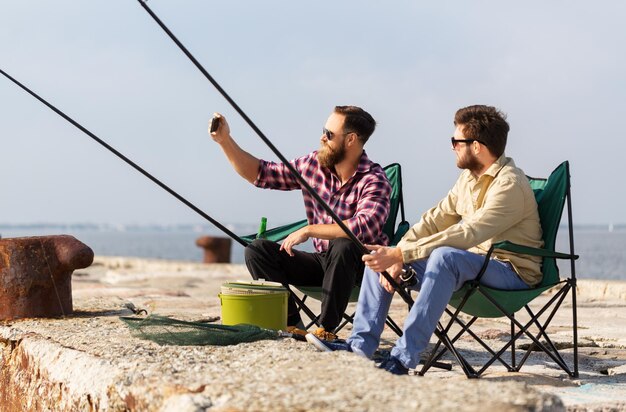
How Much Does a Fishing License Cost? 🎣
Fishing license pricing varies widely depending on where you want to fish, what you're targeting, how long you need the license, and your age or residency status. There's no single answer—but understanding the key factors that shape costs will help you figure out what you'll actually pay.
The Basic License Types and How They're Priced
Most states offer resident and non-resident licenses, and non-resident licenses typically cost more—sometimes two to four times as much. This reflects the idea that residents support fisheries through state taxes, while visitors pay a direct fee for temporary access.
Within those categories, you'll encounter several common license lengths:
- Daily or short-term licenses (1–7 days) let you fish without a long-term commitment
- Annual licenses cover a full calendar or 12-month period and are the most economical per day of use
- Multi-year licenses (available in some states) bundle savings over 2–3 years upfront
Pricing typically reflects the length: daily licenses cost less in absolute dollars but more per fishing day, while annual licenses have a higher upfront cost but lower per-use expense.
Variables That Shape What You'll Pay
| Factor | How It Affects Price |
|---|---|
| Residency status | Non-residents pay significantly more than residents |
| Age | Seniors, youth, and sometimes military may qualify for discounts |
| License duration | Longer terms cost more upfront but less per day |
| Species or method | Special endorsements (saltwater, trout, bow-hunting) add fees |
| State | Costs vary dramatically by region and state funding models |
Age-based pricing is common: children under a certain age (often 12–16) may fish free or for minimal cost, seniors (typically 62+) often get reduced rates, and disabled anglers frequently receive discounts or exemptions.
Some states also charge additional endorsement fees if you want to target specific species (like trout or saltwater fish) or use certain methods. These typically add a modest amount to your base license cost.
Resident vs. Non-Resident: The Price Gap
Non-residents almost always pay more, reflecting different policy priorities across states. A resident annual license might range from modest to moderate in cost, while a non-resident license for the same state can be substantially higher. If you fish in multiple states or plan to visit different regions, comparing resident vs. non-resident pricing for each location makes sense.
Some states offer reciprocal agreements with neighboring states, which can reduce costs for border-area anglers—but these arrangements vary by location.
Where to Find Your State's Actual Prices
Fishing license pricing is set by each state's fish and wildlife agency, and rates change periodically. You'll find current, accurate pricing on your state's official wildlife or Parks and Recreation website. These sites also show:
- Exactly which licenses are available for your situation
- Whether you qualify for discounts
- How to buy online or in person
- Any special rules or restrictions
What You're Actually Paying For
A fishing license is a permission and funding mechanism, not a guarantee of a catch. Your money funds fish stocking, habitat management, enforcement, and research—all of which support the fishery you'll use. Understanding that distinction helps explain why prices exist and vary: they reflect real costs of maintaining fisheries and managing public resources.
The right license depends on how often you fish, where you live, what species you target, and how long you plan to fish. Check your state's regulations directly to see current options and pricing for your specific situation.