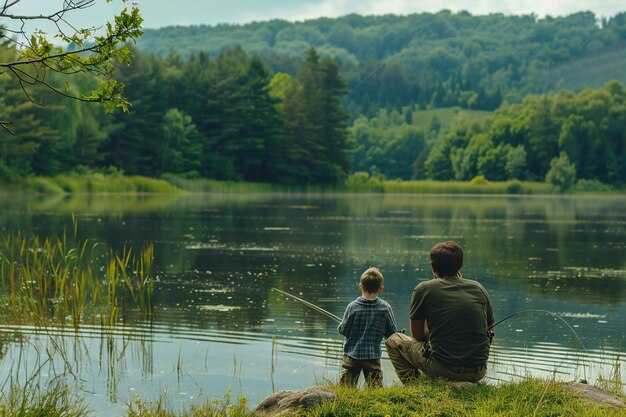
Fishing at Conconully Lake: Tips for Success 🎣
Conconully Lake, located in north-central Washington's Okanogan County, is a popular destination for anglers seeking trout and other freshwater species. Whether you're a seasoned angler or picking up a rod for the first time, understanding the lake's conditions, seasonal patterns, and practical approach matters more than any single technique. Here's what you should know before you fish there.
What Fish Live in Conconully Lake?
Conconully Lake supports rainbow trout as its primary gamefish, along with kokanee salmon (landlocked sockeye). The lake also contains smallmouth bass and other panfish, though trout typically draw the most attention from visiting anglers. The mix of species means different anglers will have different priorities—a trout-focused trip plays out very differently than a bass day, both in technique and timing.
Understanding Seasonal Patterns
Fish behavior shifts considerably throughout the year, which shapes when and how you'll fish most effectively.
Spring and early summer bring active feeding as water temperatures rise and the lake turns over. Trout tend to be shallower and more aggressive during this window. Midsummer can mean trout move deeper to find cooler water, requiring different depths and approaches. Fall often triggers another active feeding period as water cools again. Winter fishing is possible but much more limited—ice conditions and reduced activity require patience and different strategies.
Your success depends partly on when you go, not just where you cast. A trip in May plays out differently than one in August, even on the same lake.
Effective Techniques and Approaches
Different methods suit different conditions and fish types:
| Technique | Best For | Key Variable |
|---|---|---|
| Spin casting (small spinners, spoons) | Trout in shallower water, active periods | Retrieve speed and lure size match water clarity and temperature |
| Fly fishing | Trout and kokanee, especially during hatches | Water conditions, insect activity, and angler skill level |
| Trolling | Covering deeper water, locating fish | Boat access, speed control, and depth management |
| Bait fishing (worms, salmon eggs) | Trout and panfish | Placement, bait freshness, and patience |
None of these is inherently "best"—the right choice depends on your experience level, available equipment, and the lake's current conditions.
Water Clarity and Light Conditions Matter
Conconully Lake's water clarity varies by season and weather. Clear water often means fish are more cautious and require subtler presentations and smaller lures. Cloudier water can make fish less selective but harder to locate.
Early morning and late afternoon typically produce better results than midday, especially in summer when sunlight pushes fish deeper and makes them less active in shallow areas. Overcast days can extend the productive window throughout the day.
Know Before You Go 📋
Washington fishing licenses and regulations are required. Regulations change, so check the current Washington Department of Fish and Wildlife (WDFW) regulations specific to Conconully Lake for species, catch limits, and seasonal closures. The lake may have specific rules about tackle type, seasonal restrictions, or designated use areas.
Access and amenities vary. The lake has boat launch facilities and shoreline access, but conditions and availability can change. Calling ahead to local ranger stations or checking current conditions prevents wasted trips.
What Variables Control Your Results?
Your experience at Conconully will depend on:
- Your skill level with the chosen technique
- Time of year and current water temperature
- Weather and water conditions on your specific trip
- Available equipment and whether it matches lake conditions
- Time invested—patience often separates productive days from slow ones
- Local knowledge—what worked last week may differ from this week
The Bottom Line
Conconully Lake offers solid opportunities for trout and other freshwater fishing, but there's no single "right way" to fish it. The most effective approach depends on when you're going, what species you're targeting, your experience level, and how much time you have. Learning the lake's seasonal rhythms, respecting regulations, and matching your technique to actual conditions beats relying on any single method.
Check current conditions and regulations before your trip, and consider connecting with local anglers or outfitters who can share what's working right now—conditions change faster than any article can capture.