Common Fishing Techniques: A Practical Guide to the Main Methods 🎣
Fishing techniques vary widely based on where you fish, what species you're targeting, and what equipment you have access to. Understanding the core methods—and what makes each one suited to different situations—helps you make informed choices about which approach fits your goals, experience level, and local waters.
The Main Fishing Techniques Explained
Casting and Retrieving
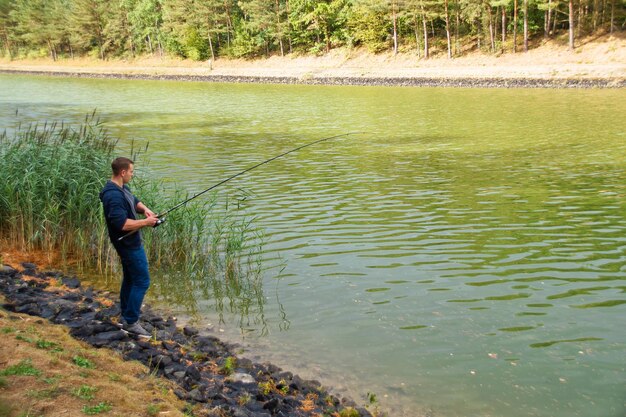
Casting involves throwing your line and lure or bait out into the water, then reeling it back in. This technique works for both freshwater and saltwater fishing and is one of the most common methods for anglers of all levels.
The basic idea is straightforward: you cast, let the bait or lure settle or move through the water column, and retrieve it. How you retrieve matters. A steady, slow retrieve works well in some conditions; in others, a jerky, irregular motion mimics injured prey and triggers strikes. The depth at which your bait travels, the speed of your retrieve, and the type of lure or bait you use all influence your success.
Factors that shape casting success:
- Water temperature and season
- Target species and their feeding patterns
- Water clarity and light conditions
- Bottom structure (rocks, weeds, drop-offs)
- Your ability to read the water
Still Fishing and Waiting
Still fishing means placing your bait in one spot and waiting for fish to come to it. This is often called bottom fishing when you're targeting species that feed on the lake or ocean floor.
You cast out, set your rod down, and let the bait sit. Some anglers keep light tension on the line; others wait for a noticeable tug. This technique requires patience but often works well for catfish, carp, walleye, and other bottom feeders. It also tends to be less physically demanding than casting all day.
Success depends on choosing the right spot (areas with structure, near vegetation, or along drop-offs tend to hold fish) and using bait or scent that attracts your target species.
Fly Fishing
Fly fishing uses a lightweight artificial fly and a specialized rod and reel. Instead of relying on the weight of the lure to cast, the weight of the line carries the fly to your target.
This technique works by presenting a small, often hand-tied artificial fly that imitates insects, small fish, or crustaceans. The angler casts upstream or across the water, lets the fly drift naturally (or strips it to create motion), and strikes when a fish takes it. Fly fishing requires practice and specific equipment—a fly rod, fly reel, and fly line—but it's highly effective for trout, salmon, and other freshwater species.
Variables that influence fly fishing outcomes:
- Your casting skill and line control
- Ability to match local insects or prey (called "matching the hatch")
- Water conditions and fish behavior
- Type of fly and presentation
Trolling
Trolling means dragging a lure or bait behind a moving boat. You control depth, speed, and distance from the boat to cover water systematically and present your bait to fish that are spread across a large area.
Trolling works well in lakes, reservoirs, and ocean environments where fish are scattered. It's particularly effective for pike, walleye, salmon, and various saltwater species. The moving presentation can trigger aggressive strikes, and you cover significantly more water than you would from a stationary position.
Key considerations include boat speed (which varies by target species and lure type), line length, lure depth, and the structure or areas you're fishing.
Netting and Trapping
Some anglers use nets to catch fish—either cast nets in shallow water or dip nets to land fish you've already hooked. Fish traps or weirs passively funnel fish into an enclosure.
These methods are heavily regulated in many places and often restricted to specific seasons or species. Always check local regulations before using them.
Spearfishing
Spearfishing involves shooting a fish with a spear or arrow-like projectile, typically underwater. It requires significant skill, proper equipment (often including a mask and breathing apparatus), and is only legal in specific locations and under certain conditions.
How to Choose the Right Technique for Your Situation
| Technique | Best For | Skill Level | Equipment Investment |
|---|---|---|---|
| Casting & retrieving | Active fishing, exploring new areas | Beginner to advanced | Low to moderate |
| Still fishing | Patience-based approaches, bottom feeders | Beginner | Low |
| Fly fishing | Trout and salmon, technical presentation | Intermediate to advanced | Moderate to high |
| Trolling | Large water bodies, covering distance | Beginner to advanced | Moderate to high |
| Netting/trapping | Specific species and locations (check regulations) | Variable | Low to moderate |
| Spearfishing | Saltwater, experienced divers only | Advanced | Moderate to high |
What matters most in choosing:
- Your target species — Some fish respond better to certain presentations
- Water type and size — A small pond calls for different techniques than a large lake or ocean
- Time and physical ability — Casting all day suits some people; still fishing suits others
- Local regulations — Some techniques are restricted or prohibited in your area
- Your experience and interest — Skill development takes time; choose something that keeps you engaged
Key Variables That Affect Results
No single technique works in all conditions. Weather, water temperature, season, time of day, water clarity, and fish behavior all shape which approach succeeds on any given day. Even experienced anglers often switch techniques multiple times during an outing.
The best approach for you depends on where you fish, what you're targeting, how much time you have, and what you enjoy. Understanding how each technique works gives you the foundation to evaluate which fits your circumstances and goals.