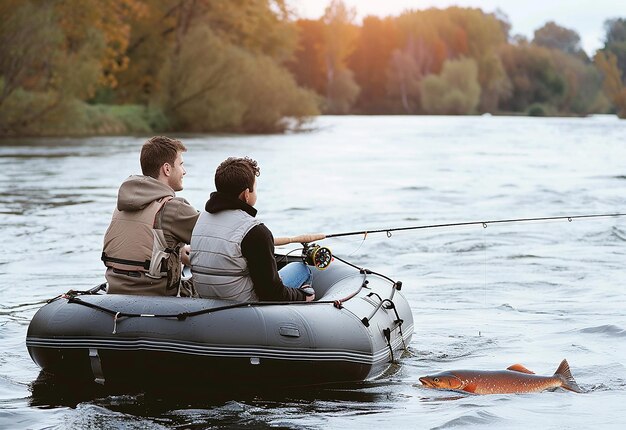
Canoe Fishing Techniques: A Practical Guide to Fishing From Your Boat 🎣
Fishing from a canoe offers unique advantages—stability, quiet approach, and access to shallow waters and tight spaces that larger boats can't reach. But success depends on matching your technique to the water conditions, target fish, and your own comfort level with canoe handling while fishing.
Why Canoe Fishing Works Differently
A canoe is fundamentally different from shore or motorboat fishing. It's stable but responsive to weight shifts, moves silently through water, and lets you reach areas other anglers avoid. This means your technique must account for three things at once: boat control, quiet movement, and effective casting or line work.
The trade-off is real: you have less space than a larger vessel, less stability than standing on shore, and you're more visible to fish in shallow, clear water. Understanding these constraints shapes which techniques work best.
Core Canoe Fishing Techniques
Drifting and Paddling Search
Drifting is foundational. You paddle slowly into a fishing zone, then let the current or wind move you while you cast or work your line. This covers water efficiently and keeps movement quiet.
Controlled paddling between casts—short, deliberate strokes—helps you stay positioned over structure (underwater rocks, logs, weeds) without spooking fish. The key variable here is water clarity and depth. In murky or deeper water, you can paddle more freely. In clear, shallow water, slow, methodical movement becomes critical.
Anchoring and Stationary Fishing
Once you locate a promising spot, anchoring lets you fish thoroughly without drifting away. A simple anchor (or even a stake driven into soft bottom) keeps your canoe in position while you cast repeatedly into the same area.
This works best for:
- Fishing around fallen trees or rock outcrops
- Working a particular depth zone
- Targeting fish holding in one location
The trade-off: anchoring keeps you still and visible. Use it when the payoff (concentrated fish activity or structure) justifies the loss of mobility.
Positioning for the Cast
Unlike shore anglers or motorboat fishermen, canoeists must manage weight distribution while casting. Different body positions change canoe stability:
- Seated, centered: Most stable for calm water or when learning
- Kneeling forward: Raises your eye level, improves casting distance, reduces stability
- Standing: Maximum casting range and visibility, requires calm water and practice
The right position depends on water conditions (wind, waves, current), target fish location (nearby shallows vs. distant structure), and your experience level. Rough water demands lower, more centered positioning. Calm lakes or slow rivers allow more aggressive positioning.
Working Structure and Cover
Fish gather around submerged logs, rock piles, aquatic weeds, and undercut banks. Canoes excel at approaching these areas quietly and at varied angles.
Key variables that shape success:
- Approach angle: Cast from different directions to avoid spooking fish
- Distance control: Your canoe's quiet movement lets you stop at optimal casting distance
- Lure or bait presentation: Adjust retrieve speed or drift pace to match the structure type
Active Retrieves vs. Passive Drifts
Active retrieves (casting and working a lure or fly with movement) suit shallow water and structure-rich areas where you want to trigger strikes. Passive approaches (drifting with live bait or slow-moving lures) work better when fish are scattered or you're covering large areas.
Canoes handle both, but the boat's movement affects passive techniques. A consistent, slow drift with minimal paddling often outperforms an erratic one.
Factors That Determine Success
| Factor | Impact on Technique |
|---|---|
| Water clarity | Clear water demands quieter approach; murky allows more active paddling |
| Water depth | Shallow requires careful positioning; deep allows more freedom |
| Wind and current | Controls drift speed and boat control difficulty |
| Target species | Panfish tolerate closer approach; bass and pike require stealth |
| Seasonal activity | Peak feeding periods allow more aggressive, active techniques |
| Canoe size and design | Larger canoes offer stability; smaller ones access tighter spaces |
| Your experience level | Balance between positioning freedom and maintaining safe control |
Common Mistakes to Avoid
Moving too quickly or erratically disrupts fishing—use smooth, deliberate paddling. Overcasting (fishing the same spot repeatedly) wears out productive areas fast. Poor weight management tires you out and destabilizes the boat during critical moments. Ignoring approach angle means fish often see you before you see them.
What You Need to Evaluate for Your Situation
The right canoe fishing technique depends on where you're fishing, what species you're targeting, your comfort level in the boat, and your familiarity with the water. Consider:
- Is the water calm or do you need low-profile positioning?
- Are you fishing structure or open water?
- Do you fish solo or with a partner (which affects weight distribution and casting access)?
- How much time do you have to master positioning techniques?
Your answers will guide whether you emphasize active drifting searches, patient anchored fishing, or a combination of both.