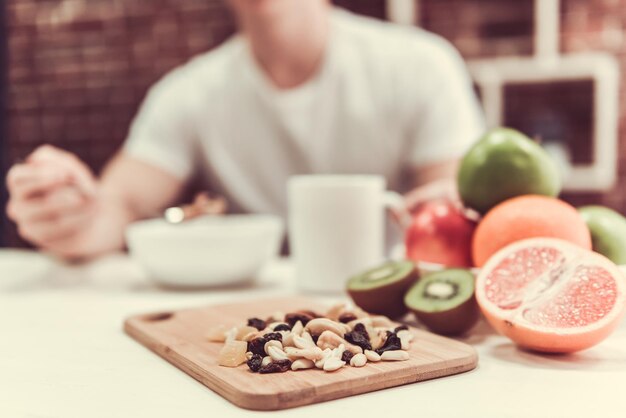
Diabetic-Friendly Snack Ideas: What Works and Why 🥗
Snacking with diabetes isn't about deprivation—it's about understanding how different foods affect your blood sugar and energy levels, then choosing options that fit your individual management plan. The right snack for you depends on your diabetes type, medication, activity level, and personal preferences.
Why Snacking Matters When You Have Diabetes
Blood sugar stability is the core issue. Between-meal eating can either help you maintain steady glucose levels or cause spikes and crashes, depending on what and how much you eat. Snacking also prevents the hunger that sometimes leads to overeating at main meals.
The key factors that shape snack choices include:
- Your diabetes type (Type 1, Type 2, or gestational)
- How your body processes carbohydrates (insulin sensitivity varies widely)
- Your medications and their timing
- Physical activity patterns
- Your personal satiety and preferences
The Three Core Snack Categories
Protein-focused snacks slow digestion and blood sugar rise. Examples include nuts, Greek yogurt, cheese, hard-boiled eggs, or deli turkey. These tend to keep you satisfied longer with minimal glucose impact, though portion control still matters because calories add up.
Fiber-rich snacks (vegetables with hummus, berries, whole-grain crackers with nut butter) slow carbohydrate absorption and provide nutrients. Fiber doesn't raise blood sugar the way refined carbs do, which is why a raw apple affects your glucose differently than apple juice.
Balanced combinations—pairing carbs with protein or fat—moderate the speed at which carbohydrates enter your bloodstream. A handful of almonds plus a small piece of fruit, or whole-grain crackers with cheese, creates steadier glucose response than any single ingredient alone.
What Makes a Snack "Diabetic-Friendly"
There's no official certification, so the term is practical, not regulatory. Generally, a snack works well for diabetes management when it:
- Contains limited added sugar
- Includes protein, fat, or fiber to slow carbohydrate digestion
- Fits your portion expectations and calorie needs
- Doesn't spike your blood sugar (which varies person to person—this is why blood sugar monitoring matters)
This is where individual circumstances diverge sharply. A snack that maintains steady glucose for one person might create a spike for another, depending on insulin sensitivity, medications, and what they ate earlier.
Common Snack Options and Their Profiles
| Snack | Primary Benefit | Best For | Consider |
|---|---|---|---|
| Mixed nuts or seeds | Protein + fat, minimal carbs | Sustained energy | Portion control (easy to overeat) |
| Greek yogurt (unsweetened) | Protein, probiotics | Post-workout, breakfast add-on | Check added sugars in flavored versions |
| Vegetables + hummus | Fiber, volume, minimal carbs | Afternoon slump | Hummus adds calories—measure it |
| Cheese (1–2 oz) | Protein, satisfaction | With fruit or vegetables | High in saturated fat; portion matters |
| Berries (fresh) | Fiber, lower glycemic impact than other fruits | Flexible serving | Still contains natural sugars |
| Hard-boiled eggs | Complete protein | Anytime | Requires prep ahead |
| Whole-grain crackers | Fiber, more stable than refined | With protein pairing | Never alone—the carbs need accompaniment |
| Nut butter (1–2 tbsp) | Protein + fat | With vegetable sticks or apple | Calories are dense; measure carefully |
What to Limit or Avoid
Refined carbohydrates alone—crackers, bread, granola bars, or cookies without protein or fat—cause rapid blood sugar rises and quick crashes. They're not forbidden, but they're poor standalone choices.
Sugary drinks and juices, even those labeled "100% juice," deliver concentrated carbohydrates without the fiber that slows absorption. The glucose spike is fast and often larger than people expect.
"Diabetic" or "sugar-free" packaged snacks may contain sugar alcohols (which some people tolerate well, others don't) or artificial sweeteners. They're not inherently bad, but they shouldn't replace whole foods as your primary snacking strategy, and the label doesn't guarantee they won't affect your blood sugar.
The Role of Portion Control and Timing
Even "good" snacks cause problems if portions are too large. A handful of nuts is different from a full bag. Similarly, when you snack matters. A snack before exercise fuels activity differently than the same snack before bed.
This is why monitoring your own response is invaluable. Blood sugar testing (whether through finger-stick meters or continuous glucose monitors) shows you how specific snacks actually affect you—not just in theory, but in your body, at that time of day, with your current activity and medications.
Variables That Change the Equation
Your snacking strategy may need adjustment if you:
- Start or change diabetes medications
- Increase or decrease physical activity
- Experience stress (which affects blood sugar)
- Have other health conditions affecting digestion
- Adjust carbohydrate intake at meals
What worked last month may need tweaking this month—this is normal and part of active diabetes management.
Moving Forward
The most effective diabetic-friendly snack is one you'll actually eat, that keeps your blood sugar in your target range, and that fits your lifestyle and preferences. That's personal.
Working with a registered dietitian who understands your diabetes type and goals can help you build a snacking plan specific to you—including portion sizes, timing, and how to handle the snacks you enjoy in ways that work with your management strategy. Your healthcare provider can also help you interpret how snacks affect your individual glucose patterns.
The landscape of options is broad. Your job is understanding how to evaluate them for yourself.