Blood Sugar Management Resources: What You Need to Know 🩺
Managing blood sugar effectively requires more than good intentions—it requires the right tools, information, and support. Whether you're newly diagnosed, supporting someone with diabetes, or trying to prevent blood sugar problems, understanding what resources are available and how to use them makes a real difference.
What Blood Sugar Management Actually Means
Blood sugar management is the practice of keeping glucose levels in a healthy range throughout the day. Your body naturally regulates blood sugar through hormones (mainly insulin), but when that system isn't working as it should—whether due to type 1 diabetes, type 2 diabetes, prediabetes, or other conditions—you need tools and strategies to fill that gap.
The goal isn't perfection. It's stability: preventing dangerous lows and highs, reducing strain on your body, and lowering the risk of long-term complications like heart disease, kidney damage, and nerve damage.
The Main Categories of Management Resources
Monitoring & Measurement Tools
How you track blood sugar shapes everything else. Your options include:
- Blood glucose meters (fingerstick devices): Provide a single snapshot of blood sugar at one moment. Useful for spot-checking but don't show trends.
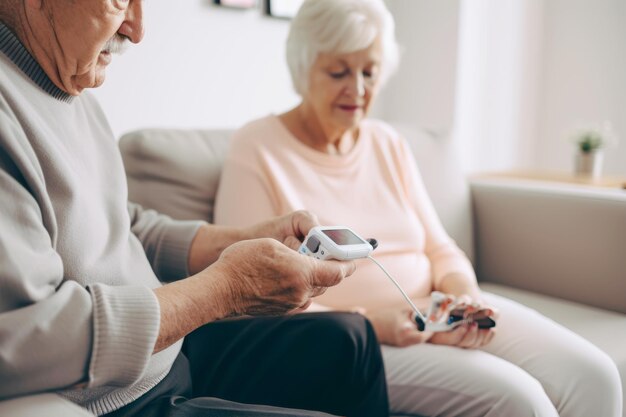
- Continuous glucose monitors (CGMs): Worn on the skin, these read glucose levels every few minutes and send data to a device or phone. They reveal patterns—what foods, activities, or stressors affect you most.
- Flash glucose monitors: Similar to CGMs but require scanning rather than continuous transmission.
The data you collect through these tools is only useful if you understand what it means. That's where education comes in.
Education & Learning Resources
Understanding diabetes isn't optional—it's foundational. Resources include:
- Diabetes education programs: Often available through your healthcare provider or local hospital. These teach how your body processes food, how medications work, and how to handle sick days.
- Online courses and webinars: Accessible but variable in quality. Look for programs from established medical organizations.
- Books and guides: Written by healthcare providers and registered dietitian diabetes educators. Useful for deeper dives.
- Support communities: Online forums and in-person groups where people share real experiences and strategies.
Different people learn differently. Some benefit most from structured classes; others prefer self-paced reading or video learning.
Nutrition & Dietary Guidance
Food is the most immediate lever you have to influence blood sugar. Resources here include:
- Registered Dietitian Diabetes Educators (RDDEs): Credentialed professionals who assess your eating habits, preferences, and lifestyle, then help you make changes that stick.
- Carbohydrate counting guides: Help you understand portion sizes and how different foods affect your blood sugar.
- Meal planning apps and templates: Offer structure, but work best when personalized to your schedule and tastes.
- General nutrition principles: Basics like fiber intake, meal timing, and protein distribution are well-researched, but the "best" diet varies by person.
No single diet works for everyone. What matters is finding an eating pattern you can sustain that helps keep your blood sugar stable.
Medication & Treatment Resources
If lifestyle changes alone aren't enough, medications and other treatments become part of your toolkit. Resources include:
- Medication information from your prescriber: Your doctor or pharmacist should explain how your medication works, when to take it, and what side effects to watch for.
- Insulin guides: If you're using insulin, you need to understand how different types work, how to inject or use a pump, and how to adjust doses.
- Pharmacy consultations: Many pharmacies offer free one-on-one counseling about medications.
This category is where professional guidance becomes non-negotiable. Medication decisions depend on your specific diagnosis, other health conditions, and what you've already tried.
Lifestyle & Behavioral Support
Blood sugar management isn't purely medical—it's woven into daily habits. Resources include:
- Exercise guides: Physical activity helps your body use insulin more efficiently, but the type, timing, and intensity matter for your situation.
- Sleep and stress management resources: Both directly affect blood sugar regulation. Guided meditation apps, sleep hygiene guides, and stress-reduction programs exist in abundance.
- Behavioral coaching: Working with a counselor or health coach can help you build sustainable habits rather than relying on willpower alone.
- Family and caregiver resources: If others support your care, they benefit from understanding what you're managing.
How to Choose Resources That Fit Your Situation
Not every resource is right for every person. Consider:
| Factor | Why It Matters |
|---|---|
| Your diagnosis | Type 1, type 2, and gestational diabetes require different approaches. |
| Your learning style | Do you prefer video, reading, conversation, or hands-on practice? |
| Your support system | Solo management is harder than management with family, friends, or a care team. |
| Your access | Geography, insurance, and technology all limit and enable different options. |
| Your schedule | Realistic resources fit into your actual life, not your ideal life. |
| Your goals | Someone aiming for athletic performance has different needs than someone focused on preventing complications. |
Where to Find Credible Resources
Look for materials from:
- Your healthcare provider: Doctor, nurse, or clinic staff can recommend resources tailored to your needs.
- Established medical organizations: Groups like the American Diabetes Association, Joslin Diabetes Center, and national diabetes foundations publish evidence-based information.
- Certified educators: Look for credentials like "Registered Dietitian Nutritionist (RDN)" or "Certified Diabetes Care and Education Specialist (CDCES)."
- Peer-reviewed research: If you want to dig deeper, your library or provider can help access studies.
Be cautious with social media advice, unverified claims about "cures," or resources that push specific products without explaining how they work.
Taking the Next Step
Blood sugar management is personal. The resources that work for you depend on where you are in your journey, what's worked before, and what fits realistically into your life. Start with your healthcare provider—they know your medical history and can recommend resources designed for your specific situation. From there, you can explore, test, and build a toolkit that actually works for you.