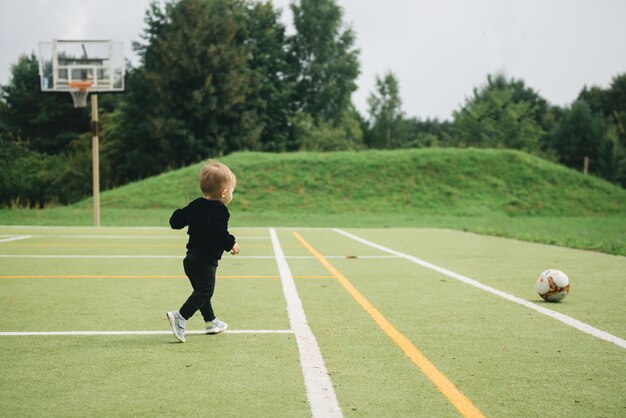
What Are Youth Sports Programs and What Benefits Do They Offer? 🏃
Youth sports programs—organized athletic activities for children and teens—are a common way families help young people stay active, build skills, and connect with peers. But what they actually deliver depends heavily on the program type, your child's age, your family's circumstances, and what you're hoping to achieve.
What Youth Sports Programs Actually Are
A youth sports program is any structured athletic activity for children, typically run by schools, community centers, parks departments, nonprofit organizations, or private clubs. They range from recreational leagues where every child plays equally, to competitive teams where selection and skill level matter, to elite travel programs requiring significant time and money.
The core purpose varies: some prioritize fun and fitness for all participants; others focus on skill development; some aim to identify talented players for advancement; and some serve as a pathway toward college scholarships or professional athletics.
The Main Types and How They Differ
| Program Type | Typical Structure | Time/Cost Profile | Skill Requirements |
|---|---|---|---|
| Recreational/community leagues | Mixed-ability teams, everyone plays | Modest time and cost | None—open to all |
| School sports | Tryout-based, competitive | Built into school day/year | Varies by sport and level |
| Club/competitive teams | Skill-sorted teams, travel common | High time and cost | Tryout-based; prior experience helpful |
| Elite/travel programs | Selective, frequent competitions | Very high time and cost | Advanced skill level required |
Each structure appeals to different families and produces different experiences. A child in a recreational soccer league may play for fun and exercise; a child on a competitive club team may travel several weekends monthly and focus intensely on skill advancement.
What Benefits Are Realistically Possible 📈
Research and expert observation support several potential outcomes, though what your child experiences depends on program quality, coaching, peer culture, and fit:
Physical health and fitness: Regular practice and play build cardiovascular fitness, strength, and motor skills. Youth in sports programs typically get consistent physical activity, which is increasingly important as screen time rises.
Skill development: Coaching and repetition teach sport-specific techniques. Competitive programs often develop more advanced skills faster than recreational ones.
Social connection: Team environments create peer relationships and a sense of belonging. Some children thrive in this structure; others find it stressful.
Discipline and work ethic: Consistent practice, rules, and accountability can reinforce habits. This isn't automatic—it depends on coaching approach and a child's receptiveness.
Confidence and resilience: Mastering a skill, competing, or overcoming failure can build self-assurance. It can also create anxiety or damage confidence if the experience is negative.
College and scholarship pathways: Elite programs explicitly market this outcome. The reality: extremely few youth athletes reach college, and fewer still earn scholarships. This should never be the primary reason to choose a program unless a child is already at an advanced level and genuinely interested.
What Actually Determines the Outcome
Child's age and developmental stage: A 6-year-old benefits from introductory sports differently than a 14-year-old pursuing advancement. Younger children benefit from varied exposure; older teens may specialize more effectively.
Coach quality: Coaching matters enormously. Knowledgeable, encouraging coaches produce different outcomes than rushed or dismissive ones. There's no uniform certification standard across youth sports, so quality varies widely.
Peer culture and team dynamics: Some teams are inclusive and fun; others can be cliquish or overly competitive in unhealthy ways. A single bad season or toxic teammate can sour a child on a sport entirely.
Financial and time investment: Recreational leagues may cost $50–200 per season; competitive clubs often cost hundreds to thousands annually, plus travel time. Families have different capacity and willingness.
Your child's personality and interests: Some children love team structure and thrive on competition. Others prefer individual sports, non-competitive movement, or no organized sports at all. Neither is wrong.
Program philosophy: Does the program prioritize participation and fun, skill development, or winning? These lead to different cultures and outcomes.
What Won't Happen (Even in Good Programs)
Don't assume that joining a youth sports program will automatically solve problems, guarantee a college spot, eliminate screen time, or transform a reluctant child into an athlete. Sports can support these goals, but they're not guaranteed outcomes. Similarly, one toxic coach or bad season doesn't mean sports aren't right for a child—context matters.
What to Evaluate When Choosing
Before committing time and money, understand what your family actually needs. Are you looking for affordable, local, fun activity? Skill development in a specific sport? A pathway to competitive play? Social connection? Different programs serve these differently.
Ask about coaching backgrounds, team philosophy, costs (including hidden ones like travel), time commitments, and how kids are selected and treated if they're less skilled. Talk to other parents and, if possible, watch a practice.
The right youth sports program—if it's right at all—depends entirely on your child's age, interests, your family's resources, and what you're trying to accomplish. Understanding the landscape helps you make that choice clearly.