Programmable Thermostat Options: What Works for Your Home
A programmable thermostat lets you set heating and cooling schedules so your HVAC system runs on your terms, not just when someone manually adjusts it. But "programmable" covers a wide range of devices—from simple weekly schedules to learning systems that adapt to your patterns. Understanding what's available helps you choose what fits your home and habits.
How Programmable Thermostats Work
A programmable thermostat stores a schedule you set in advance. You specify different temperatures for different times—typically cooler at night, warmer during the day, or lower when nobody's home. The thermostat automatically switches between these settings without your input, so your HVAC system runs less when you don't need conditioning.
The core appeal is efficiency through automation. Most homes use more energy than necessary because people forget to adjust temperature, leave settings unchanged seasonally, or simply aren't home to benefit from higher/lower temperatures. A programmed schedule eliminates that waste.
Main Types of Programmable Thermostats ❄️
Basic programmable models let you set a weekly schedule with set temperature points. Many offer four or six program periods per day. You control them via buttons on the device itself. These are straightforward and typically less expensive than smarter options.
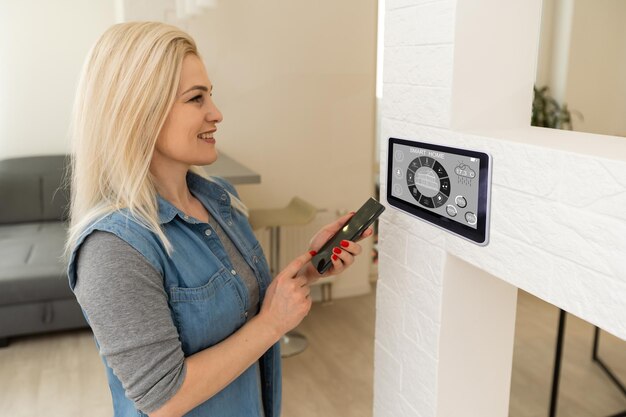
Smart or learning thermostats go further. They connect to your home's WiFi, let you control temperature remotely through a phone app, and often learn your patterns over time. Some adjust settings automatically based on weather, occupancy sensors, or geolocation (detecting when you leave and return home). These systems gather more data, so their adjustments may become more refined over weeks or months.
| Feature | Basic Programmable | Smart/Learning |
|---|---|---|
| Weekly schedule | ✓ | ✓ |
| Remote app control | — | ✓ |
| Learning capability | — | ✓ (many models) |
| Weather integration | — | ✓ (often) |
| Voice control | — | ✓ (some) |
| Upfront cost | Lower | Higher |
Factors That Shape Your Results
Your home's insulation and size matter significantly. A well-sealed, smaller home holds temperature longer, so aggressive scheduling may work fine. A drafty or large home may see less dramatic savings if temperature swings back quickly.
Your occupancy pattern determines scheduling effectiveness. Consistent routines (same work hours, predictable home/away times) make preset schedules work smoothly. Highly variable schedules or lots of coming-and-going may reduce the benefit of pre-set programs.
Your climate and season affect potential savings. Moderate climates with mild winters and summers naturally use less conditioning energy, so the absolute energy reduction from thermostat optimization is smaller. Very hot or cold climates see bigger swings from thermostat adjustments.
Your current HVAC system's age and efficiency influences the baseline. An old, inefficient system uses more energy overall, so optimization through thermostat scheduling can show larger relative savings. A newer, efficient unit already uses less, so thermostat gains are more modest.
Your comfort preferences matter too. Aggressive scheduling (wider temperature swings to save energy) saves more but may feel uncomfortable to some households. Others prefer the trade-off.
What to Evaluate Before Choosing
Before purchasing, consider:
- Compatibility: Does your HVAC system work with programmable thermostats? Some older or specialized systems don't. Your installer or system documentation confirms this.
- Installation: Basic models are often DIY-friendly; smart thermostats may require professional installation depending on your wiring.
- Scheduling complexity: How detailed a schedule do you want to manage? Simple weekly patterns, or do you need custom weekend settings?
- Budget: Factor in upfront cost plus any installation fees. Savings accumulate over time, so payback depends on your usage and local energy rates.
- Connectivity needs: Do you want remote control and integrations, or is a local schedule sufficient?
Energy Savings Aren't Guaranteed
Thermostats are tools. Their actual impact depends on how you use them. A programmable thermostat left on one fixed temperature saves nothing. A smart thermostat with poor scheduling settings may underperform. Conversely, well-configured schedules that match your actual routines typically reduce energy use and lower utility bills—though the exact amount varies widely based on the factors above.
The right choice depends on your home's characteristics, your patterns, and what trade-offs make sense for your situation. A professional HVAC contractor can assess compatibility and help you understand realistic expectations for your specific setup.