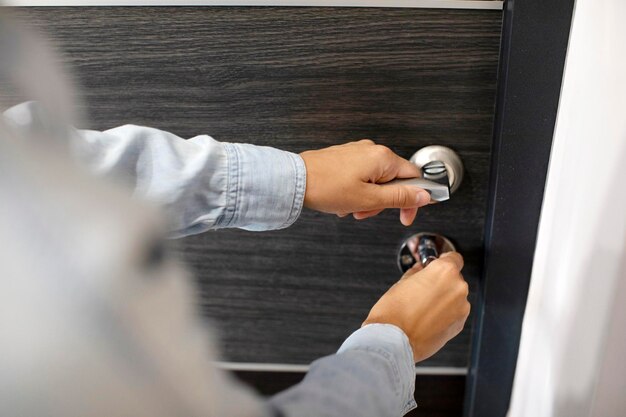
How to Program a Digital Lock: A Clear Guide to Getting Started 🔐
Digital locks have become a practical choice for homes and businesses—they offer keyless entry, access logs, and the ability to grant or revoke entry remotely. But programming one correctly is essential for security and reliable operation. Here's what you need to know about the process, the variables that affect it, and how to evaluate whether a digital lock is right for your situation.
Understanding Digital Lock Programming Basics
Digital lock programming means setting up access codes, credentials (like keypads or smartphone apps), and administrative features so the lock functions as intended. Unlike a traditional lock, a digital lock requires initial setup and occasionally ongoing management.
The general workflow is:
- Access the programming mode — usually by entering a master code or using a dedicated app
- Add user codes or credentials — PIN numbers, biometric data, or app permissions
- Configure lock settings — auto-lock duration, access schedules, notifications
- Test and verify — confirm each code works and the lock behaves as expected
The specific steps vary significantly depending on the lock type, brand, and model. A keypad lock, a smart lock controlled by an app, and a biometric reader all have different programming interfaces and requirements.
Key Factors That Affect Programming Difficulty
Several variables influence how straightforward programming will be for you:
Lock Type
Keypad-only locks tend to have simpler programming (usually a master code and adding user PINs). Smart locks that connect to Wi-Fi or Bluetooth often require downloading an app, creating an account, and connecting to your home network—adding complexity but also convenience features. Hybrid locks (keypad + app + mechanical override) sit in the middle.
Manufacturer
Different brands use different protocols, menu systems, and terminology. Some include clear printed guides; others rely heavily on QR codes linking to online videos. A lock from an established, consumer-focused brand typically has better documentation than a less common one.
Your Technical Comfort
Not everyone is equally comfortable with Wi-Fi setup, app installation, or interpreting error codes. This is a real factor—it doesn't mean you can't program a lock, but it affects which type will feel manageable to you.
Professional Installation vs. DIY
Many digital lock manufacturers and locksmiths offer installation and programming services. For some people, this removes the learning curve. For others, DIY programming is preferred for cost or control reasons.
Common Programming Scenarios and What to Expect
Basic Keypad Lock
Typically involves entering a default master code (often found in the manual), then following on-screen prompts (via LED lights or beeps) to add user codes. Most can be completed in 10–20 minutes without special tools. The learning curve is usually low if the manual is clear.
Smart Lock with App Control
Requires downloading the manufacturer's app, creating an account, connecting the lock to your Wi-Fi network, and adding user codes or inviting other users through the app. This process can take 20–45 minutes depending on network stability and app responsiveness. Troubleshooting Wi-Fi connectivity is a common friction point.
Biometric or Multi-Factor Locks
Often combine keypad, fingerprint, or card readers. Programming may involve calibrating sensors, enrolling fingerprints multiple times, and setting which authentication methods are required. These typically take longer and may require more careful attention to detail.
What to Review Before You Start 📋
Documentation Quality
Check whether the manual (physical or online) includes step-by-step instructions with clear photos or screenshots. Video walkthroughs from the manufacturer are a strong sign. If documentation is vague or outdated, that's a signal about the manufacturer's support level.
Account and Connectivity Requirements
For smart locks, understand whether programming requires a cloud account, continuous Wi-Fi connection, or local-only control. Some locks function without internet; others require it for full features. This affects both initial setup and long-term reliability.
Default Codes and Security
Most digital locks ship with a default master code or a reset process. You'll need to change this immediately after programming. Some locks allow you to completely disable the default code; others allow you to override it only with a custom code. Know which applies to yours before installation.
Backup Access
Understand what happens if the battery dies, the app stops working, or you forget the master code. Many digital locks include a mechanical override (keyhole) or emergency access method. Verify yours has one that works for your situation.
When to Call a Professional
You don't need to program every digital lock yourself. Consider professional help if:
- The lock is integrated into a larger security system
- You're uncomfortable with app setup or network troubleshooting
- You need to grant access to multiple users with different permissions
- The lock has biometric features that require calibration
- You're renting and want to avoid modifying the installation
A locksmith familiar with that specific lock model can typically complete programming quickly and troubleshoot connectivity issues.
Moving Forward
Programming a digital lock is often straightforward, but the ease depends heavily on the lock type, manufacturer, and your comfort with the technology involved. Before purchasing or committing to installation, spend time reviewing the actual manual or setup video—not marketing materials. This will give you an honest sense of whether the programming process feels manageable for you and whether the lock's features match what you actually need.