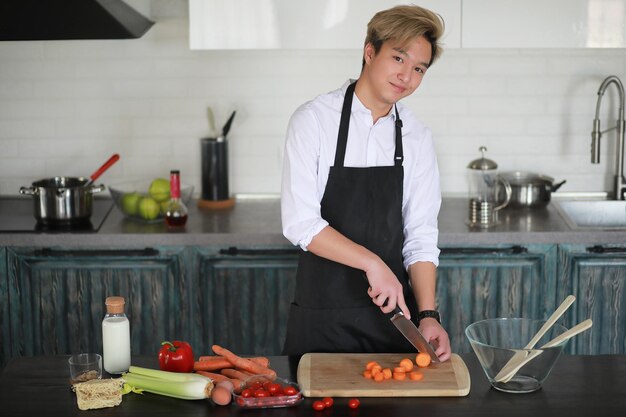
What You Need to Know About Culinary Training Programs 🍳
Culinary training programs range widely in structure, cost, and outcome—and the right fit depends entirely on your goals, learning style, and circumstances. Understanding what these programs offer, how they differ, and what factors shape their value will help you evaluate whether one makes sense for you.
What Culinary Training Programs Are
Culinary training programs are organized educational pathways designed to teach cooking techniques, food safety, kitchen management, and culinary theory. They span from short-term certificates to multi-year degrees, and from hands-on apprenticeships to classroom-based instruction. Some focus narrowly on cooking fundamentals; others blend culinary arts with business, hospitality management, or specialized cuisines.
The core purpose is consistent: building the skills and knowledge that professional kitchens—and some home cooks—rely on. But the depth, pace, and practical application vary significantly by program type.
Types of Programs and What Sets Them Apart
Certificate Programs
Short-term certificates typically run from a few weeks to one year. These focus on immediate, practical cooking skills—knife work, sauce preparation, food safety certification, or a specific cuisine. They're ideal if you want foundational training without a major time or financial commitment, or if you're already working and need flexible scheduling.
Diploma Programs
Diploma programs usually take 6–18 months and go deeper. They cover broader culinary foundations—nutrition, kitchen management, food cost control, and multiple cooking methods—alongside hands-on training. These are common at vocational schools and dedicated culinary institutes.
Degree Programs
Associate and bachelor's degrees in culinary arts typically span 2–4 years. They integrate culinary technique with general education, business operations, hospitality law, and sometimes food writing or entrepreneurship. A degree may carry weight in certain management or corporate food service roles, though many professional kitchens prioritize experience over credentials.
Apprenticeships
Apprenticeships combine paid on-the-job training with classroom instruction, often over 3–5 years. You work alongside experienced chefs while learning formally. This model offers real income, hands-on mentorship, and no tuition cost—but requires finding an employer willing to sponsor your training.
Key Factors That Shape Outcomes 📊
The value you get from culinary training depends on several variables:
| Factor | Impact |
|---|---|
| Program structure | Hands-on training typically builds skill faster than theory-only; apprenticeships offer mentorship traditional schools may not. |
| Instructor experience | Instructors with current restaurant or professional kitchen experience often teach more relevant, current practices. |
| Equipment and facilities | Access to commercial-grade kitchens and modern equipment better mirrors what you'll use professionally. |
| Job placement support | Some programs offer internships, alumni networks, or job boards; others don't. This affects ease of entry into the industry. |
| Your prior experience | Someone with no kitchen experience gains more foundational benefit than someone who's already worked in food service. |
| Your career goal | Training for a head chef role looks different than training for pastry specialty, catering, or food writing. |
| Time and financial capacity | Full-time, multi-year programs aren't feasible for everyone; shorter programs may serve better. |
Common Benefits and Realistic Expectations
Culinary training programs can offer:
- Structured skill development: You learn under organized curriculum rather than picking things up haphazardly.
- Safety and food handling knowledge: Professional certification in areas like food safety is often required in commercial kitchens.
- Industry networks: Classmates, instructors, and guest speakers can lead to job opportunities and mentorship.
- Credential for certain roles: Some corporate kitchens, hotels, or educational institutions prefer or require culinary credentials for management positions.
- Confidence and credibility: A recognized credential signals commitment and baseline competence to employers.
However, culinary training does not guarantee employment, income level, or career advancement. The food service industry values demonstrated skill, reliability, work ethic, and experience just as heavily as formal training—sometimes more. Many successful chefs never attended formal culinary school; others completed programs and left the industry. Outcomes depend on job market demand in your location, your performance in the workplace, your willingness to start at entry-level positions, and broader economic conditions in hospitality.
What to Evaluate When Considering a Program
Before enrolling, ask:
- Does the program's focus align with your goal? (Line cooking, pastry, management, specialty cuisine, etc.)
- Is the schedule realistic for your life? (Full-time, part-time, evening, online?)
- What's the total cost, and how does it compare to similar programs? (Tuition, fees, equipment, materials—not current prices, but the full scope.)
- Who teaches here, and what's their background? (Current or recent industry experience matters.)
- What's the kitchen setup like? (Can you train on equipment you'll actually use?)
- Do graduates get job placement help or internships? (And what do recent graduates report about job outcomes?)
- Is accreditation relevant to your goals? (Some employers care; others don't. Research your target employers.)
- Can you speak with recent graduates? (They'll tell you what the program actually delivered versus what was promised.)
The Broader Picture
Culinary training is one path into food work, but it's not the only one. Many professionals enter through apprenticeships, on-the-job learning, or self-teaching supplemented by books, videos, and mentorship. The value of formal training depends on your starting point, your goals, and the specific program in question—not on a universal rule.
Your decision hinges on honestly assessing your situation: your current skills, your financial resources, the time you can commit, the specific culinary path you're pursuing, and what the employers or roles you're targeting actually expect or prefer.