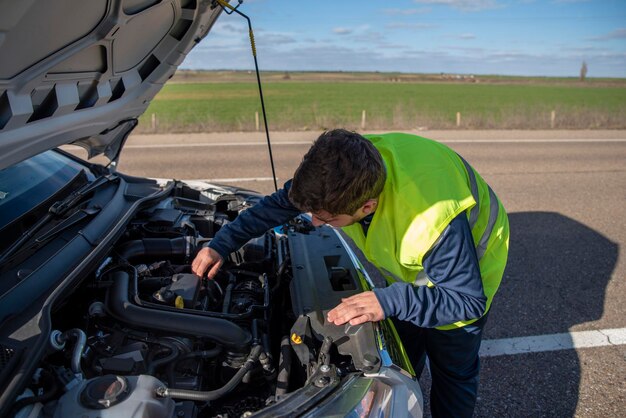
What Is Mobile Auto Service—and How Do You Find It Near You?
Mobile auto service brings maintenance and repair work directly to your vehicle, wherever it's parked. Instead of driving to a shop, a technician arrives at your home, workplace, or roadside location with tools and parts to handle everything from oil changes and tire rotations to brake work and diagnostic testing. 🚗
This model has grown significantly as consumers seek convenience, but it's not a one-size-fit-all solution. Understanding how it works, what it covers, and how to evaluate options helps you decide whether it fits your needs and circumstances.
How Mobile Auto Service Works
A mobile mechanic operates from a van or truck stocked with common tools, fluids, and replacement parts. You schedule an appointment, and the technician arrives at a time and location that works for you—your driveway, office parking lot, or even a safe roadside spot if you've broken down.
The technician diagnoses and repairs the vehicle on-site. For straightforward jobs (oil changes, battery replacement, brake pads), this process is straightforward. For more complex work, the mobile mechanic either completes it if equipped to do so, or documents the issue and may refer you to a full-service facility.
Types of Work Mobile Mechanics Typically Handle
Common services include:
- Oil and fluid changes
- Tire rotation, patching, and replacement
- Battery diagnostics and replacement
- Brake pad and rotor work
- Air filter replacement
- Spark plug changes
- Windshield wipers and lights
- Basic electrical diagnostics
Work that may be limited depends on equipment and expertise:
- Transmission or engine overhauls often require a full shop with hydraulic lifts and diagnostic equipment
- Collision or frame work is rarely performed by mobile services
- Exhaust system work may be difficult without proper shop ventilation
Key Variables That Shape Your Experience
Location and availability: Mobile services are concentrated in urban and suburban areas. Rural areas may have limited options or longer wait times. Some services operate only during business hours; others offer evening or weekend appointments.
Technician expertise: Mobile mechanics range from generalists who handle routine maintenance to specialists focused on specific makes, models, or repair types. Credentials and experience vary—not all mobile technicians hold ASE (Automotive Service Excellence) certifications, though many do.
Equipment limitations: A mobile unit cannot replicate a full shop. Complex diagnostics, alignments, welding, and suspension work often require stationary facilities. This shapes what can realistically be diagnosed and fixed on-site.
Pricing structure: Mobile services typically charge a service fee, travel time, or trip charge in addition to labor and parts. This varies widely by provider and location. Some offer flat rates for specific jobs; others bill hourly. Parts markups also differ.
Insurance and liability: Mobile mechanics operate under different business structures—sole proprietorships, small companies, or franchises. This affects warranty coverage, insurance protection, and recourse if something goes wrong.
What to Evaluate Before Choosing a Mobile Service 🔧
Verification of credentials: Ask about certifications, licensing, and insurance. Legitimate mobile mechanics carry liability insurance and can provide proof of credentials upon request.
Service scope: Confirm whether the mechanic can handle your specific repair or maintenance need. Don't assume because they offer "mobile service" that they can do everything.
Pricing transparency: Request an estimate before work begins. Understand whether labor is hourly or flat-rate, what parts cost, and whether there are travel or trip charges.
Customer feedback: Check reviews on independent platforms, but remember that reviews reflect individual experiences and may not predict your outcome. Look for patterns in how the business responds to concerns.
Warranty and guarantees: Ask what warranty applies to parts and labor, and get it in writing. Terms vary significantly.
Communication process: How do they handle additional problems discovered during work? Can they explain options clearly and reach you if decisions are needed?
When Mobile Service Works Well vs. When It May Fall Short
Mobile auto service is most practical when you need routine maintenance on a reliable vehicle, have limited time to visit a shop, or face mobility challenges. It's also useful for breakdown situations where you're stranded and need immediate assessment.
It works less well when your vehicle needs complex diagnostics, structural repairs, specialized equipment, or work that requires multiple shop visits. If your car is under warranty, check whether using a non-dealership mobile mechanic affects coverage—this varies by manufacturer and situation.
The Bottom Line
Mobile auto service fills a real gap for people who value convenience and time savings. The quality and scope of work available depend entirely on the individual technician or company, your location, and the nature of the repair. Before committing, verify credentials, clarify what work can be done, get a written estimate, and confirm warranty terms. Your specific needs, vehicle condition, and local options all shape whether this approach makes sense for you.