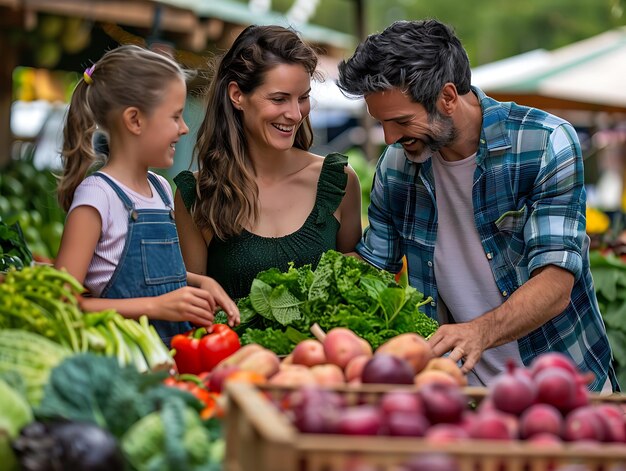
Farmers Markets in South Carolina: Your Guide to Local Shopping 🌾
South Carolina's farmers markets are vibrant community spaces where you can buy fresh produce, baked goods, local crafts, and other items directly from growers and makers. Whether you're looking to support local agriculture, find seasonal produce, or simply explore your community, understanding how these markets operate—and what to expect—helps you make the most of the experience.
What Are Farmers Markets and How Do They Work?
A farmers market is a public gathering where local producers sell goods directly to consumers, typically operating on a regular schedule (weekly, bi-weekly, or seasonally) at a fixed location. In South Carolina, these range from small neighborhood setups to large, year-round operations in urban centers.
Vendors typically include:
- Produce growers selling vegetables, fruits, and herbs
- Bakers and food makers offering bread, jams, honey, and prepared foods
- Craftspeople selling handmade items, plants, and flowers
- Specialty producers with meats, dairy, eggs, or value-added products
The appeal is straightforward: you're buying from the source, often at prices competitive with grocery stores, and the goods are usually fresher because they haven't been in transit or cold storage for days.
Where and When Farmers Markets Operate in South Carolina 📍
South Carolina has farmers markets scattered across the state, concentrated in larger cities like Charleston, Columbia, Greenville, and Myrtle Beach, but also present in smaller towns. Seasons and hours vary significantly:
| Factor | Details |
|---|---|
| Season | Year-round in some urban areas; spring through fall in others |
| Schedule | Typically weekly (often Saturday mornings), but some run multiple days |
| Hours | Often 8 a.m. to noon or 1 p.m., though this varies by location |
| Location | Downtown parks, parking lots, fairgrounds, or dedicated market buildings |
Your best approach is to search for "farmers markets near [your city]" or check the South Carolina Department of Agriculture website, which maintains resources for locating certified markets. Many counties also list their markets on local government or chamber of commerce websites.
Key Differences Between Markets
Not all farmers markets operate the same way. Consider these variables:
Vendor requirements: Some markets require vendors to grow or make what they sell (stricter standards); others allow resellers or wholesale goods mixed in. Markets with strict producer-only rules tend to offer more genuinely local and seasonal inventory.
Size and variety: A small neighborhood market might have 5–10 vendors year-round. Larger urban markets can have 50+ vendors, especially in peak season, giving you more choices but also more crowds.
Payment methods: Increasingly, most accept cards and mobile payments, though some smaller markets are cash-only. Many accept SNAP/EBT benefits (often with matching programs).
Amenities: Larger markets may include live music, prepared food stands, or seating. Smaller ones are more stripped-down.
What to Expect When You Shop
Pricing is rarely cheaper than grocery stores across the board. Individual items may cost more or less depending on the season, demand, and the vendor's overhead. Buying in-season produce—berries in summer, squash in fall, greens in spring—typically offers better value and fresher quality.
Selection changes with the season. Winter markets in South Carolina carry leafy greens, root vegetables, and stored items. Spring brings asparagus and strawberries. Summer explodes with tomatoes, peaches, and corn. Fall offers apples, pumpkins, and cool-season greens. What's available on any given Saturday depends entirely on what's growing.
Vendor personality matters. Many farmers are happy to discuss their growing methods, suggest how to use less common items, or explain why prices fluctuate. Building relationships with regular vendors can yield better deals or advance notice of special items.
Variables That Shape Your Experience
Your farmers market experience depends on several factors:
- Your location: Urban areas have more frequent, larger markets; rural areas may have seasonal-only options
- What you're seeking: If you want organic produce, verify with vendors (not all are certified, though some practice organic methods)
- Your schedule: Markets have fixed hours; if you can't make Saturday morning, some areas have weekday or evening markets
- Your budget flexibility: Peak-season, in-demand items are competitively priced; off-season or specialty items may cost more
- What's in season: You'll have genuine choices only for items that are currently growing in South Carolina's climate
Making the Most of Your Visit
Come early for the best selection, especially on warm mornings when produce moves quickly. Bring cash or confirm payment methods ahead of time. If you're new to farmers markets, browse before buying—you'll learn pricing, variety, and which vendors match your preferences. Ask questions about growing methods, storage tips, or recipes; most vendors welcome engagement.
The right farmers market strategy depends on your priorities. If you're focused on value, shop in-season and plan meals around what's available. If you prioritize organic or specific growing practices, ask vendors directly—labels and certifications vary. If community and connection matter most, regular visits build relationships and familiarity. Understanding the landscape helps you decide what role—if any—farmers markets play in your shopping routine.