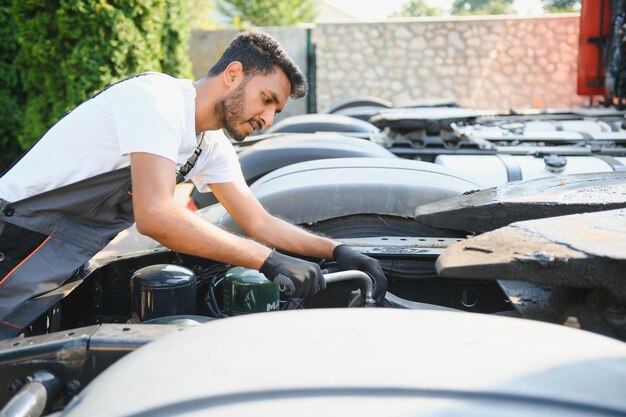
DIY Car Repair Guides: What You Can Handle Yourself—and What You Shouldn't 🔧
If you're thinking about tackling car repairs yourself, you're not alone. Many people successfully handle routine maintenance and straightforward fixes—but the gap between "doable" and "dangerous" is real. A DIY car repair guide can be incredibly valuable, yet it's only as useful as your honest assessment of your own skills, tools, and the job at hand.
What DIY Car Repair Actually Means
DIY car repair refers to any maintenance or fix you perform on your own vehicle rather than taking it to a shop. This ranges from simple tasks like changing oil or replacing windshield wipers to more complex work like replacing brake pads, air filters, or even suspension components.
The key distinction: DIY work isn't "all or nothing." Most car owners exist on a spectrum. You might confidently change your own tires but prefer professional help with electrical systems. That's normal and practical.
Tasks That Are Generally DIY-Friendly ⚙️
Certain repairs appear frequently in beginner guides because they have straightforward steps, low risk of causing damage, and clear success indicators:
- Oil and filter changes – requires basic tools, follows a logical sequence, and the old oil disposal is the main complication
- Air filter replacement – usually involves locating a plastic housing and swapping out a filter element
- Windshield wipers – typically snap or clip into place without tools
- Battery replacement – mostly involves terminal disconnection and physical removal
- Brake pad replacement – common on many vehicles, though rotor work requires more skill
- Spark plug changes – varies significantly by vehicle design; tight engine bays make this harder on some cars
- Fluid top-ups – coolant, washer fluid, and similar maintenance-level tasks
These tasks share common features: they don't require diagnostic tools, the failure mode is obvious, and mistakes are usually reversible or visible before you drive.
Where DIY Becomes Risky
Certain repairs demand professional equipment, diagnostic knowledge, or safety-critical precision:
- Transmission work – requires specialized fluid, alignment tools, and diagnostic capability
- Engine electrical systems – modern vehicles have complex computer-controlled circuits; mistakes can cascade
- Brake system repairs beyond pads – hydraulic systems need purging, and failure has life-or-death consequences
- Steering and suspension – improper assembly creates safety hazards not obvious until something fails at speed
- Welding or structural repairs – requires specialized equipment and metallurgical knowledge
- Air conditioning service – involves refrigerants with legal handling requirements and environmental regulations
- Diagnostic work requiring computer readers – many modern issues require scanning tools that cost hundreds or thousands of dollars
The pattern: if a mistake could cause an accident, injure someone, or trigger emissions violations, professional work is typically warranted.
The Variables That Determine What's Right for You
Your ability to successfully DIY a repair depends on several interconnected factors:
| Factor | Impact on DIY Viability |
|---|---|
| Vehicle age & complexity | Newer cars with computer-controlled systems demand more diagnostic skill; older vehicles often more straightforward |
| Your mechanical experience | Prior work on cars (not just reading about it) matters; "I've done this three times" is different from "I've read the guide" |
| Tool access | Some jobs need specialty tools costing $50–$200+; others use items you likely own |
| Time availability | DIY jobs almost always take longer than professional shops; pressure leads to mistakes |
| Consequence tolerance | Can you afford to have a botched attempt fixed professionally? Some fixes cost more to redo |
| Vehicle specificity | A Toyota Corolla's oil change differs from a Subaru's; guides must match your car's design |
How to Use a DIY Guide Responsibly
A good guide should be specific to your vehicle's year, make, and model—not generic. It should show you:
- The actual tools needed (not a vague list)
- Common stuck bolts or tight spaces you'll encounter
- Torque specifications for anything you're fastening
- Fluid types and quantities specific to your car
- Safety steps (blocking wheels, disconnecting battery, etc.)
- A clear "stop here if you're uncomfortable" point
Before you start, honestly answer:
- Have I done something similar before, or is this brand-new territory?
- Do I have the right tools, or will I be improvising?
- Am I following a guide specific to my exact vehicle?
- What's the cost to fix this if I mess it up?
The Reality of Cost Savings
DIY repairs save money on labor, but not always. If you need to buy specialty tools for a one-time job, the savings shrink. If a small mistake requires a shop to untangle your work, you've spent more than if you'd gone pro initially. Parts prices are often identical whether you source them or a shop does.
The actual equation varies: a $50 air filter swap you do yourself saves $100+ in labor. A transmission flush you botch might cost $500+ to correct.
When Professional Work Is Non-Negotiable
If you lack proper diagnostic tools for the problem, safety-critical system knowledge, or the specific tool the job demands, a shop is the only responsible choice. Modern vehicles are sophisticated; "I'll figure it out" on brakes or electrical systems creates real danger.
The distinction between a knowledgeable friend explaining a concept and someone diagnosing your car's specific issue is crucial. A guide teaches how a repair works; only qualified technicians can confirm whether it's the right repair for your situation.
Your decision to DIY should rest on honest assessment, not cost alone. Guides are tools for learning and executing work you're genuinely capable of handling safely. Use them to expand your skills incrementally—not to tackle jobs beyond your current level.