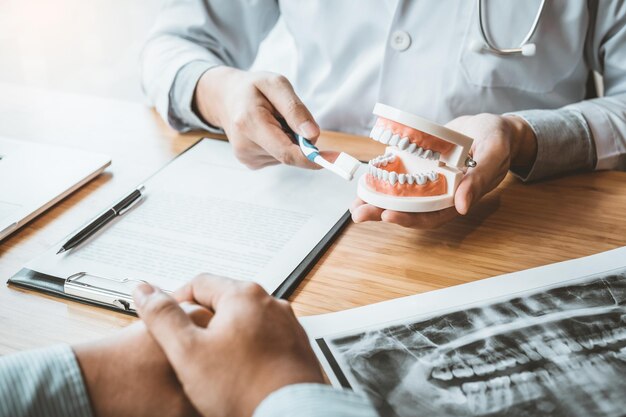
Complete Guide to Denture Care: Daily Maintenance and Long-Term Storage 👥
I notice there's a category mismatch here—denture care belongs in health and personal care, not automotive. I'm writing the accurate guide you need. If you meant this for a different context, let me know.
What Dentures Actually Are
Dentures are custom-made removable replacements for missing teeth and surrounding tissue. They rest on your gums and are held in place by suction, clasps (on partial dentures), or adhesive. Unlike natural teeth, dentures require deliberate daily care to stay clean, comfortable, and functional.
The key difference: dentures can't self-repair. Neglect leads to staining, odor, bacterial growth, and accelerated deterioration. Proper care extends their lifespan and keeps your mouth healthier.
Daily Denture Cleaning: The Core Practice
Remove and rinse after meals. Food particles lodge under dentures more easily than between natural teeth. A quick rinse removes loose debris and prevents bacteria buildup.
Brush gently but thoroughly. Use a soft-bristled denture brush (or soft toothbrush) with denture cleaner or mild soap. Avoid toothpaste—the abrasives can scratch the denture surface. Brush all surfaces: the side touching your gums, the chewing surface, and any clasps or attachments.
Soak overnight in denture solution. Dentures must stay moist to maintain their shape and fit. A denture-specific cleanser (not just water) helps dissolve stubborn stains and kills bacteria. Most people soak 4–8 hours, though overnight soaking is standard practice.
Handle with care. Dentures are fragile. Soak them over a towel or sink of water so they don't crack if dropped.
What Affects Denture Lifespan 🦷
Several factors determine how long dentures remain functional and comfortable:
| Factor | Impact on Denture Life |
|---|---|
| Daily cleaning routine | Consistent care slows discoloration and material breakdown |
| Soaking method | Proper solution prevents drying, cracking, and warping |
| Handling and storage | Damage from drops or dry storage shortens usable life |
| Diet and habits | Hard foods and smoking accelerate wear and staining |
| Oral hygiene of remaining tissue | Gum health affects fit; poor hygiene speeds tissue changes |
| Bite force and wear patterns | Natural variation in how quickly dentures show wear |
| Storage environment | Extreme heat or dry conditions warp denture material |
Common Denture Care Mistakes
Sleeping in dentures. While it's physically possible, dentures need a daily break from your mouth. Your gums need air exposure and rest. Sleeping in dentures increases fungal infections and accelerates tissue breakdown.
Using hot water. Dentures are made of acrylic plastic that warps under heat. Always use cool or lukewarm water for soaking and cleaning.
Skipping the soak. Dried-out dentures become brittle and lose their fit. Even a few hours of air exposure can cause permanent shape changes.
Using regular toothpaste or whitening products. These are too abrasive and can etch the denture surface, creating grooves where bacteria hide.
Storing them dry. Some people keep dentures in a dry case "to keep them clean." The opposite happens—they crack and warp.
When Professional Care Matters
Even with perfect daily care, dentures wear out. Relining (adjusting the fit as your gums change) is typically needed every 1–2 years. Repairs for cracks, broken clasps, or loose teeth should be handled by a dentist, not attempted at home.
Your gums naturally shrink over time—this is normal and unavoidable. Regular dental check-ups help catch fit problems before they cause sore spots or chewing problems.
The Variables That Shape Your Experience
Your denture care routine and how long dentures last depends on:
- Whether you wear full or partial dentures (partials have clasps requiring extra attention)
- Your manual dexterity and ability to handle small objects
- How much time you spend eating hard or sticky foods
- Whether you're willing to commit to nightly soaking
- Your gum health and the rate your tissues change shape
- Whether you smoke or use staining substances
- How carefully you handle and store them
No two people's denture care experience is identical. The landscape is clear; your specific routine should reflect your living situation, habits, and physical ability.