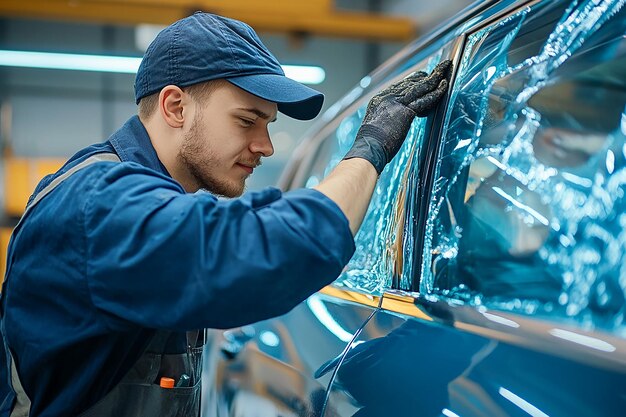
What You Need to Know About Car Detailing Services 🚗
Car detailing is the deep cleaning and restoration of a vehicle's interior and exterior to a level beyond a standard car wash. While many people use the terms interchangeably, detailing is a distinct service that addresses surfaces, finishes, and materials with specialized techniques and products. Understanding what detailing involves—and how it differs across service tiers—helps you make an informed decision about whether it's worth the investment for your vehicle and situation.
The Core Difference: Washing vs. Detailing
A car wash removes surface dirt and grime. Detailing goes deeper. It involves treating paint, trim, glass, leather, and fabric with targeted products designed to protect, restore, or enhance their condition and appearance. Detailers use tools like clay bars, polishing compounds, waxes, sealants, and specialized vacuums and steamers—not just water and soap.
This distinction matters because detailing can address problems a wash cannot: oxidized or dull paint, water spots, scratches, stains in upholstery, or buildup in crevices and seams.
The Two Main Categories: Exterior and Interior
Exterior detailing focuses on paint, wheels, trim, and glass. Common steps include washing, clay bar treatment (which removes embedded contaminants), polishing or compounding (to remove light scratches and restore shine), and application of wax or sealant for protection.
Interior detailing addresses the cabin: vacuuming carpets and upholstery, cleaning and conditioning leather or fabric seats, wiping and protecting dashboard surfaces, cleaning windows, and removing odors or stains.
Many detailers offer both as part of a comprehensive package, while others specialize in one or the other. Your vehicle's condition and your priorities determine which makes sense.
Service Tiers: Basic, Standard, and Premium
Detailing services typically fall into rough tiers, though terminology varies by provider:
| Service Level | What's Typically Included | What It Addresses |
|---|---|---|
| Basic/Express | Exterior wash, quick interior vacuum, glass cleaning | Surface-level dirt; intended for regularly maintained vehicles |
| Standard/Full | Clay bar treatment, single-stage polish, wax application, interior deep clean | Oxidation, minor swirls, dull paint; moderate interior soiling |
| Premium/Ceramic/Multi-Stage | Advanced polishing, paint correction, ceramic coating or sealant application, leather conditioning, odor treatment | Significant paint damage, heavy staining, maximum protection and longevity |
The variables that influence which tier suits your vehicle include its age, current condition, paint finish type, and how long you plan to keep it. A newer vehicle in good condition may need only basic maintenance detailing, while an older car with paint damage or a buyer preparing to sell might benefit from premium correction and protection.
Key Variables That Shape Your Decision 🔑
Vehicle condition: A well-maintained newer car needs less correction work than an older vehicle with oxidized paint or interior wear.
Your goals: Are you maintaining appearance, correcting existing damage, preparing to sell, or maximizing resale value? Each goal points toward different service levels.
Frequency: Some owners detail annually or semi-annually for maintenance; others detail once when they buy and again when they sell. Budget and vehicle use affect this choice.
Paint type and finish: Modern clear-coat finishes respond differently to polishing and protection products than older single-stage paints.
Interior materials: Leather, suede, cloth, and vinyl upholstery require different cleaning and conditioning approaches—and have different vulnerabilities.
Professional vs. DIY: While some detailing tasks can be done at home with the right products and tools, professional detailers have commercial-grade equipment, specialized training, and access to professional-only products. The trade-off is cost versus expertise and results.
What Detailing Does (and Doesn't) Do
Detailing can restore shine to dull paint, remove swirl marks and light scratches, protect surfaces from UV damage and environmental contaminants, remove stains and odors from interiors, and enhance the overall appearance and feel of a vehicle. It can also help preserve resale value by maintaining the car's condition.
However, detailing is not body repair. It cannot fix dents, major scratches, or mechanical issues. It also cannot permanently prevent wear—protection from wax or sealant degrades over time and requires reapplication. And outcomes depend heavily on the vehicle's starting condition and the skill of the detailer.
How to Evaluate a Detailing Service
When considering detailing, ask about the specific processes used, the products (especially for paint and leather), the estimated time required, and what's included in each service tier. Understand whether pricing is fixed or depends on vehicle size or condition. Look for evidence of experience—customer reviews, before-and-after photos, or certifications from product manufacturers.
It's also worth understanding whether a provider offers ongoing maintenance packages or one-time deep cleans, as this affects both the relationship and the long-term cost of maintaining your vehicle's appearance.