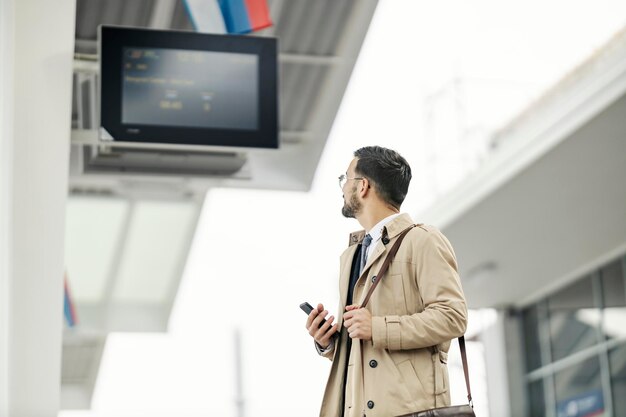
What Are Airport Terminals and How Do They Work? 🛫
An airport terminal is the main building where passengers begin and end their journeys. It's where you check in, pass through security, wait for your flight, and collect your baggage afterward. Think of it as the hub connecting ground transportation (cars, trains, buses) to aircraft. Most airports have one or more terminals, and understanding how they're organized can significantly reduce travel stress.
The Basic Structure and Function
Terminals are divided into departure and arrival areas, though they're often in the same building or connected by corridors. The departure side handles check-in, security screening, and gate areas. The arrival side manages baggage claim, customs (on international flights), and ground transportation connections.
Inside, you'll find airlines organized by gate numbers, which determine where your flight departs. Gates are grouped in concourses or wings—separate sections that may require walking or using automated people movers (those moving walkways or train systems you sometimes see).
Types of Terminals
Airports structure terminals differently based on size and traffic:
- Single-terminal airports are typically smaller regional hubs where all airlines operate from one building
- Multi-terminal airports divide airlines by destination, region, or alliance to manage passenger flow and logistics
- Hub-and-spoke layouts concentrate operations in specific terminals to simplify connections
- Linear or pier designs extend gates in a line, reducing walking distances in some cases
The layout you encounter depends entirely on which airport you're using.
Key Areas You'll Navigate
| Zone | Purpose |
|---|---|
| Check-in/Baggage drop | Where you process luggage and receive boarding passes |
| Security checkpoint | Screening area before the gate areas |
| Gate areas (concourses) | Seating and departure lounges |
| Restaurants, shops, services | Food, retail, restrooms, charging stations |
| Baggage claim | Where checked luggage arrives after landing |
| Ground transportation | Taxis, ride-share, rental cars, transit connections |
Factors That Affect Your Terminal Experience
Airport size and design matters—larger airports have more complex layouts with longer walking distances. Some use internal transit systems; others don't.
Terminal assignment can vary by airline, destination, or time of day. International and domestic flights sometimes depart from different terminals at the same airport.
Congestion and wait times depend on time of day, day of week, and season. Peak hours create longer security lines and crowded corridors.
International vs. domestic designation affects which terminal you use. International terminals typically have customs and immigration facilities that domestic ones lack.
Airline alliances sometimes determine terminal assignment—an airport might designate one terminal for Star Alliance carriers and another for OneWorld, for example.
Navigating Effectively
Arrive early enough to locate your terminal, understand the distance to your gate, and account for security wait times. Most airports display gate assignments 1–2 hours before departure; don't assume it won't change.
Use airport maps (available online, in apps, or printed at information desks) to familiarize yourself with the layout before arrival. Many airports now offer detailed digital maps showing restrooms, shops, and charging stations.
For connecting flights, confirm whether you stay in the same terminal or need to change terminals. International connections may require rechecking baggage and clearing customs—a process that takes considerably longer than domestic connections.
What you'll need to evaluate: your specific airport's terminal layout, which airline you're flying, whether your flight is domestic or international, and your personal mobility needs (some terminals have more seating and services than others, and walking distances vary significantly).